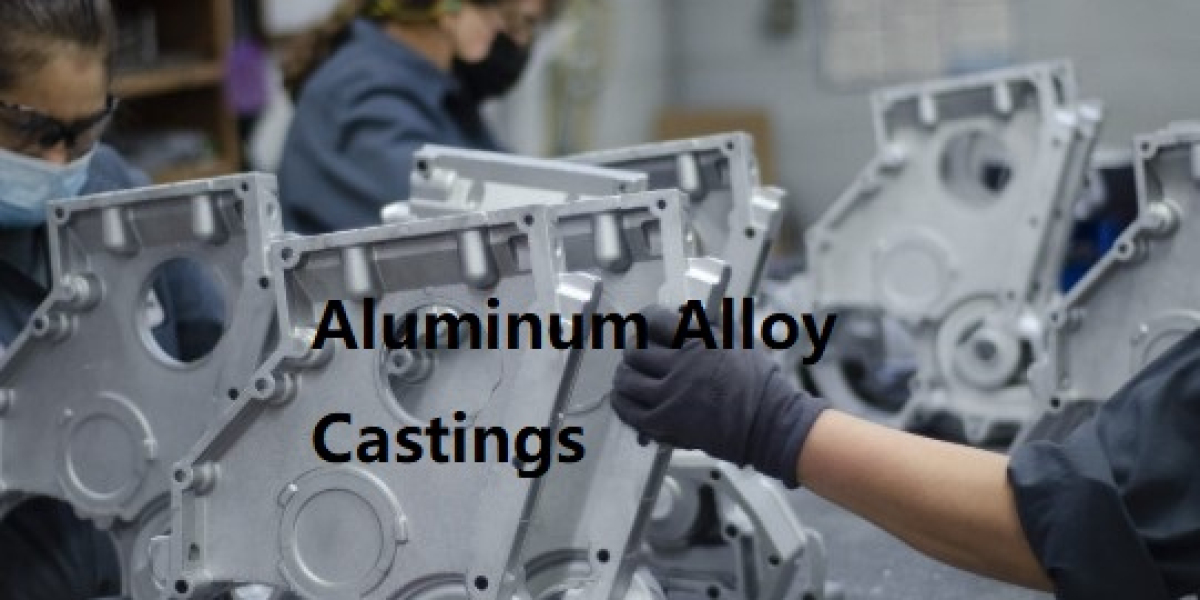

For foundries working with demanding metal components, choosing the right Coated Sand Casting Mold can influence how smoothly a project moves from design to finished casting. A suitable Coated Sand Casting Mold needs to match the part geometry, material requirements, cavity structure, and production conditions rather than simply copying a standard pattern. When mold design and casting planning work together, manufacturers can handle detailed shapes, customized dimensions, and different industrial applications with greater confidence.
Matching Mold Design With the Casting
Every casting project starts with a specific shape that must eventually be reproduced in metal. The mold needs to provide a cavity that follows the intended geometry while allowing the molten material to fill the required areas during production.
This becomes more important when a component includes curves, grooves, openings, or irregular sections. A thoughtful mold design can make these features easier to reproduce and can also help reduce unnecessary adjustments during later production stages. For custom castings, reviewing the drawing and intended application before mold development is especially useful.
Chinhzjx Custom Casting Approach
Not every foundry project can be handled with an off-the-shelf mold. Some components require special dimensions, particular materials, or structures created specifically for their working environment. The product information from Chinhzjx presents coated sand casting molds as customized case-based solutions rather than simple standard products.
The available examples include molds for valves, connectors, structural parts, mechanical fixings, wrenches, and other components. This variety reflects the importance of adapting mold development to the actual casting instead of forcing different projects into one fixed configuration.
Surface Quality and Dimensional Control
Mold quality can affect more than the basic shape of a casting. Foundries also need to consider dimensional consistency, cavity stability, surface appearance, and the behavior of the mold during pouring and cooling.
Coated sand systems can be useful when manufacturers are looking for better control over mold strength and casting surfaces. The appropriate molding sand and coating system should be selected according to the part, alloy, thermal conditions, and production process. These choices can work together to support a more stable casting result.
For components with detailed structures, maintaining a reliable cavity is particularly important. Small changes in the mold can influence how the final metal part turns out, which is why engineering review should happen before production begins.
Supporting Complex Industrial Components
Coated sand casting is suitable for a wide range of industrial projects where customized shapes are required. Components such as valves, connectors, mechanical parts, and structural pieces may all have different dimensional and performance requirements.
The examples shown by the manufacturer include Y-type connectors, multiple-groove components, trapezoid structures, valve bodies, flange valves, cylindrical accessories, and precision valve parts. These examples demonstrate how mold development can be adapted to different geometries rather than being limited to one particular product category.
From Project Drawings to Production
A successful mold project depends on communication as much as machining. Before production, manufacturers can provide drawings, samples, material information, and details about the intended application. These inputs give the engineering team a clearer understanding of what the mold needs to achieve.
The manufacturer states that it supports customized design according to customer drawings and samples, while its broader business covers coated sand equipment, shell core machines, core shooting machines, casting machines, and molds. This broader capability can be useful for buyers who want their mold requirements considered as part of the overall foundry process.
For companies developing customized metal casting projects, a practical mold solution starts with understanding the part itself. To explore related casting molds, equipment, and customization services, visit https://www.chinahzjx.com/ .