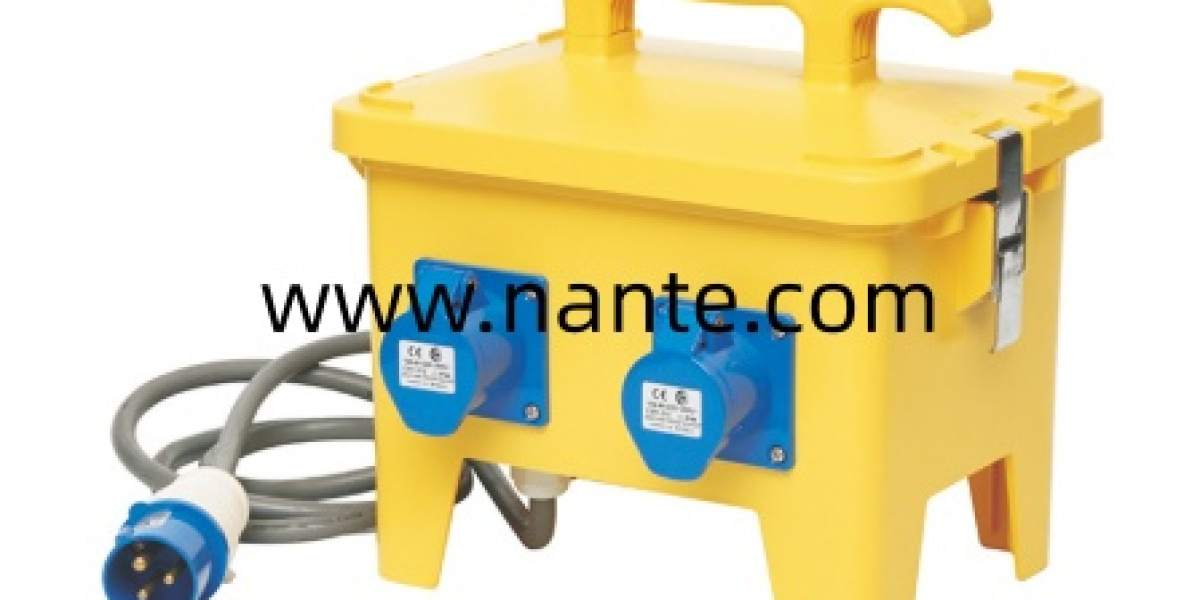

Electrical power becomes more useful when its connection points are planned around the way people and equipment actually work. In workshops, commercial spaces, industrial facilities, service areas, and temporary working environments, scattered outlets and unmanaged wiring can make everyday tasks less convenient. A Distribution Socket Box from Nante provides a structured approach to arranging electrical connections while keeping the surrounding installation easier to manage.
Centralized connection points can bring a sense of order to complex electrical layouts. Instead of allowing multiple outlets and cables to appear throughout a workspace without a clear relationship, a dedicated enclosure can establish a recognizable location for power distribution. This can make electrical infrastructure easier to identify while supporting a cleaner overall arrangement.
The surrounding application should always influence enclosure selection. A workshop may require convenient access for tools and equipment, while a commercial environment may place greater emphasis on neat integration with existing facilities. Industrial areas can introduce additional concerns such as dust, mechanical activity, equipment movement, and frequent maintenance. Considering these conditions helps create an enclosure strategy that corresponds with the actual working environment.
Cable management is another important part of the installation. Electrical cables can quickly become difficult to organize when connection points are positioned without considering equipment locations. A defined socket enclosure can provide a central reference point from which cable routes can be planned more deliberately. This may help reduce unnecessary cable movement and create a more understandable electrical layout.
Accessibility should remain central to the design. Electrical connections need to be convenient for authorized users, while technicians may require access during inspection or maintenance. An appropriately positioned enclosure can help balance these needs by keeping connections within a recognizable and manageable area.
The enclosure itself also becomes part of the surrounding workspace. Its placement can affect how people move around equipment, how cables are routed, and how easily electrical components can be identified. Thinking about the enclosure as part of the complete installation rather than as an isolated accessory can lead to more coherent project planning.
Material and construction considerations also deserve attention. Different environments can expose electrical housings to moisture, dust, physical contact, cleaning activities, or other external influences. Selecting a suitable construction approach according to the intended application can help the enclosure perform its role within the larger electrical system.
Installation flexibility can be particularly valuable when facilities change over time. Workstations may be rearranged, equipment may be relocated, and new electrical requirements may emerge. A well-planned connection point can make it easier to adapt the surrounding layout without treating every modification as a completely new installation.
Maintenance is another area where organization pays off. When connections are grouped within a clearly defined location, qualified personnel can approach inspection and servicing with a more direct understanding of the electrical arrangement. Logical positioning and cable routing may also make it easier to identify the relevant components when attention is required.
Visual order should not be dismissed either. Electrical infrastructure can occupy a noticeable place within workshops, production areas, commercial premises, and service environments. A carefully integrated enclosure can help electrical connections appear intentional rather than disconnected from the surrounding design.
For contractors, installers, engineers, facility managers, and equipment planners, selecting a suitable socket enclosure is therefore part of broader electrical planning. The objective is not simply to house connections, but to create an arrangement that supports accessibility, organization, maintenance, and the practical needs of the space.
When electrical planning calls for a more considered connection point, the next idea may be waiting beyond the usual approach. Visit https://www.nante.com/product/ and give your project a fresh place to begin—the right click could open an entirely new direction for your installation.