
An oil-immersed transformer is the workhorse of any high-voltage system. Here's how the three failures that actually take them down present in the field — and how crews fix each one.
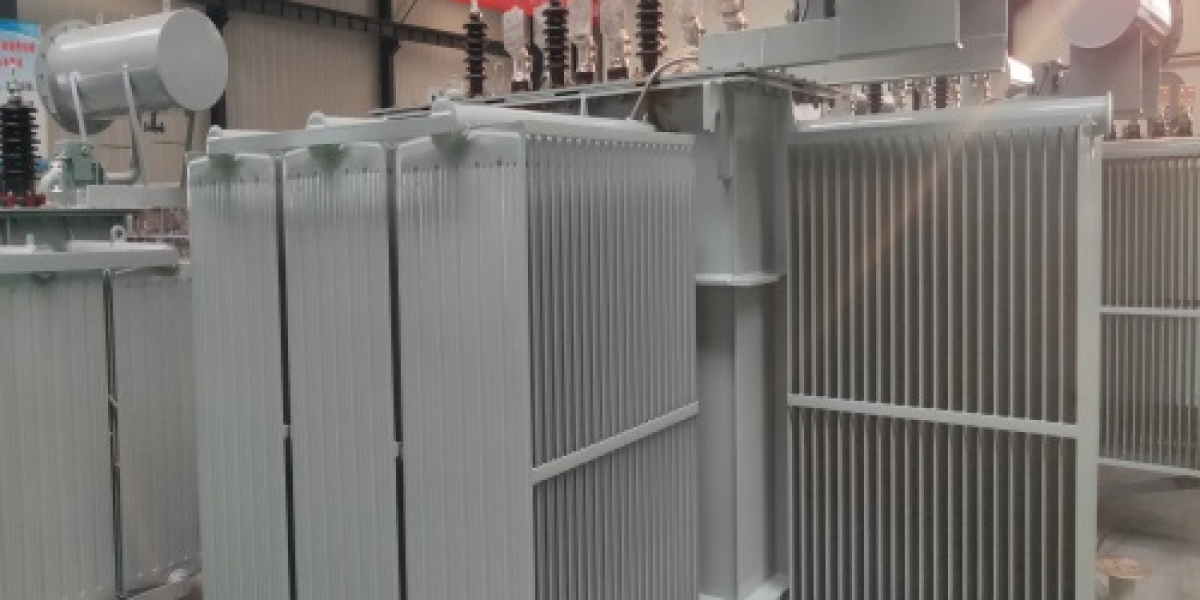
An oil-immersed transformer is the workhorse of a high-voltage power system. The mineral oil does two jobs at once: it insulates the windings and carries heat away from them, which is why these units show up in substations, pad-mounted distributions, and just about anywhere you need a lot of kVA in a small footprint. Compared with dry-type designs — which we cover in our piece on dry-type versus oil-immersed builds and where each fits — the liquid-filled unit trades a higher fire and leak risk for better cooling and a lower first cost per kVA.
They're built to run for decades, and most do. But "reliable" isn't the same as "trouble-free." Three problems account for the bulk of field failures: overvoltage events, oil leaks, and partial discharge. Below is what each one looks like, why it happens, and how it gets fixed.
1. Overvoltage
Overvoltage means the transformer sees a voltage above its rated insulation level — even for a moment. Push past the basic impulse level (BIL) and you can puncture insulation, damage bushings, or take the whole unit offline.
What causes it
- Grid-side disturbances. Voltage swings, a lost phase, or a phase-sequence (phase-rotation) error on the incoming feed can all pile abnormal voltage onto the windings.
- A failing voltage regulator. When the regulating equipment's insulation ages or a connection works loose, it can let a surge or an unbalanced condition reach the transformer.
How to fix it
- For supply-side swings and phase problems, stabilize the incoming feed. A voltage regulator or improved utility supply reliability takes most of the bite out of these events.
- For regulator or connection faults, the insulation has to be serviced or replaced on a schedule, and every termination needs to be checked and torqued.
- Proper overcurrent and surge protection, sized to the installation rules in NEC Article 450, is what keeps a transient from becoming a burnout. Our NEC sizing and overcurrent protection calculator turns the 125% continuous-load rule and the Article 450.3 limits into conductor and breaker sizes before you ask for a quote.
2. Oil leaks
An oil leak is exactly what it sounds like: the tank or its fittings let oil out. Lose enough and you lose cooling and insulation margin at the same time — and you've got a fire and an environmental cleanup on your hands.
Where they start
- The tank-to-cover joint isn't sealed right.
- The pipe-to-tank connection has worked loose.
- The shaft seals (on a Buchholz relay or valve stem) have dried out and cracked.
- The tank or piping has corroded or been dented.
How to fix it
- Tighten up or replace the gaskets at the cover and anywhere the seal has failed.
- Break and remake the pipe connections, then re-torque the bolts and fit fresh gaskets.
- Swap out any hardened or leaking shaft seals.
- Repair or replace corroded or damaged tank sections — don't band-aid a pitted weld that's about to go.
If you're sizing a replacement or a spare for a site like this, the full oil-immersed product range is worth a look before you write the spec.
3. Partial discharge
Partial discharge (PD) is small, repeated sparking inside the insulation. Not a full breakdown — the kind of thing that eats the insulation from the inside until it finally lets go. Left alone, it degrades the windings until the unit fails under load.
What drives it
- A defect buried in the winding itself.
- Gas bubbles or moisture sitting on an insulation surface.
- Insulation that's simply old, or contaminated with conductive dust.
How to fix it
- You can't guess at PD. A high-voltage insulation test (Hi-Pot) or a proper PD measurement locates the source before you tear anything apart.
- A winding with an internal defect gets reinforced locally or replaced outright.
- Moisture or gas on a surface is handled by tightening the insulation's environmental seal — dry the unit, evacuate, and refill under the correct procedure.
- Aging or contaminated insulation gets replaced on a maintenance interval, not after it fails.
The insulation and acceptance-testing side of this is covered in our isolation transformer guide, including what to ask for on your unit's serial number versus a generic type-test certificate.
Frequently Asked Questions
How do I know if my transformer has a problem before it fails?Trend the basics: oil level, dissolved-gas analysis (DGA), winding temperature, and leakage current. A rising gas trend or a hot spot that won't settle is your early warning, long before a hard failure. Infrared scans and an annual insulation-resistance (megger) test catch most issues while they're still cheap to fix.
Can I keep running a transformer that's leaking a little oil?"A little" turns into "none" faster than people expect. Oil below the windings kills cooling and drops the insulation strength. Top it off with the correct dielectric oil, find the source, and fix it — don't just refill and forget. If the leak is at a pressure boundary, treat it as urgent.
What's the difference between overvoltage damage and partial discharge?Overvoltage is an event: a surge or fault that exceeds the BIL and can punch through insulation in one shot. Partial discharge is a slow burn — tiny discharges that progressively erode insulation over months or years. One is acute, the other chronic, and they need different diagnostic tools.
How often should oil-immersed transformers be inspected?For most commercial and utility installs, a visual and oil-level check belongs in the monthly routine, with DGA and full insulation testing on a one-to-three year cycle depending on load and environment. Coastal, dusty, or heavily loaded sites need to come in more often.
Is it worth fixing an old transformer, or should I replace it?That depends on what's wrong and what the losses are costing you. A seal kit and a gasket job are obvious. But an old, high-loss unit can quietly burn more in electricity over its life than a new efficient one costs — our loss and TCO calculator lays the 30-year math side by side so the decision isn't a guess. And when replacement is the call, sourcing from established transformer manufacturers and suppliers keeps the nameplate honest and the warranty real.
Bottom line
None of these faults is exotic. Overvoltage, oil leaks, and partial discharge show up on real installations all the time, and each has a known fix. The difference between a minor outage and a scrapped tank is usually just whether somebody was watching — routine inspection, the right test gear, and quality replacement parts turn most of these into a half-day job instead of a capital project. Know your unit, keep the maintenance clock running, and it'll return the favor with years of quiet service.