
In the plastic packaging industry, carrying convenience and product functionality are important considerations when developing modern containers. A well-designed handle can improve the usability of bottles and make packaged products easier to transport, lift, and store. Selecting a suitable Handle Mold is therefore an important step for manufacturers producing plastic containers with integrated or attached handles. For packaging businesses planning new product designs, a reliable Handle Mold can support consistent component dimensions, smooth manufacturing operations, and attractive finished products. Understanding mould construction, material compatibility, and production requirements helps buyers make informed decisions when sourcing customized mould solutions.
The Importance of Handle Design in Plastic Packaging
Bottle handles serve a practical purpose while also influencing the overall appearance of packaging. They are commonly used in containers designed for household products, liquid detergents, edible oils, beverages, and other products that require convenient handling.
Different applications require different handle structures. Some containers use integrated handles positioned near the bottle neck, while others feature side-mounted designs that provide additional gripping space.
When developing a handle, manufacturers need to consider grip dimensions, wall thickness, connection areas, and the relationship between the handle and bottle body. These details influence usability and structural performance.
A suitable mould design helps translate these requirements into a manufacturable plastic component. By evaluating the intended application before production, manufacturers can develop handle structures that correspond with packaging specifications and customer expectations.
Mould Structure and Precision Manufacturing
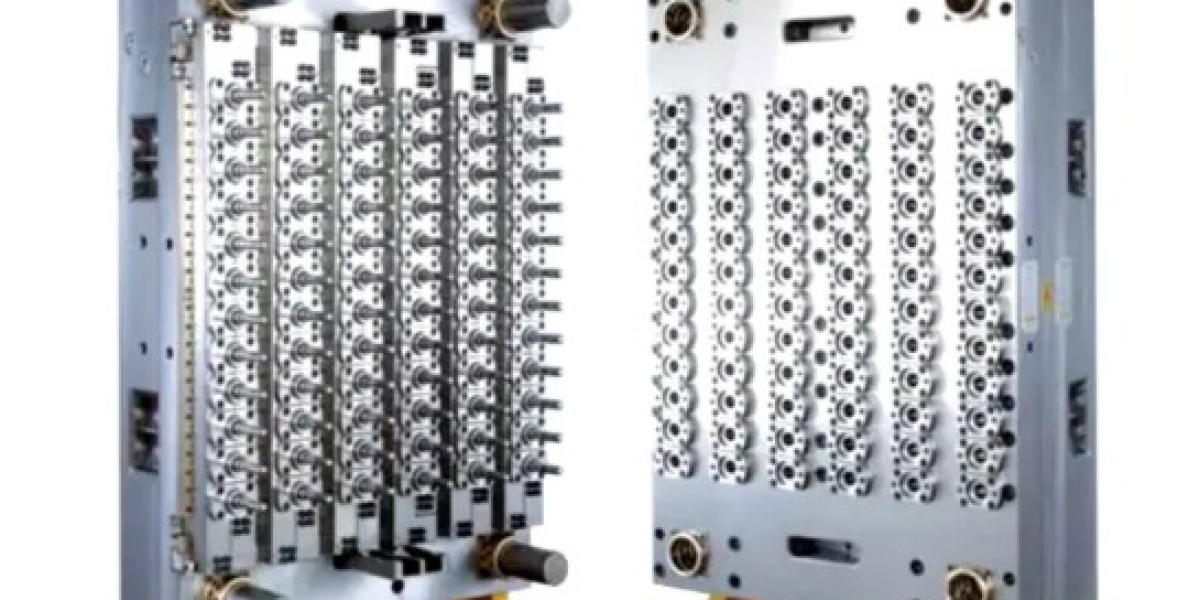
The construction of a handle mould directly influences the quality and consistency of finished plastic components. Important design considerations include cavity geometry, mould alignment, opening arrangements, and the shape of the handle's internal gripping area.
Precision machining helps ensure that mould components correspond with their technical drawings. CNC processing can be used to manufacture complex surfaces and maintain dimensional accuracy across different mould sections.
Surface finishing is another important consideration. Smooth mould cavities can help produce handles with a consistent appearance and reduce unwanted surface marks.
Mould alignment and component fitting also require attention. If the mould structure is not properly coordinated, dimensional differences or unwanted flash may appear during production.
Manufacturers should therefore combine appropriate machining procedures with dimensional inspections and assembly checks. These processes help identify potential problems before the mould enters regular production.
QHPreformMould Solutions for Customized Handle Moulds
Different packaging projects often require handle designs that match specific bottle shapes and functional requirements. QHPreformMould provides mould solutions for businesses involved in plastic packaging manufacturing.
Customized handle mould development can involve several design details, including handle dimensions, gripping space, connection structures, and surface appearance. The appropriate configuration depends on the intended container and production process.
Communication between the customer and mould manufacturer is essential. Buyers can provide technical drawings, product samples, material preferences, and relevant machine information to help clarify project requirements.
These details allow engineers to evaluate the mould structure and discuss suitable manufacturing arrangements. They can also help determine whether adjustments are needed to improve mould operation or finished component consistency.
For businesses developing new bottle packaging, customized mould solutions provide greater flexibility when translating product concepts into practical manufacturing designs.
Material Compatibility and Production Performance
Material selection is an important part of handle mould development because different plastics have different processing characteristics. Common packaging materials may include polyethylene and polypropylene, depending on the intended product and handle application.
The selected material can influence mould design, cooling requirements, processing conditions, and the final mechanical characteristics of the handle.
For example, handle structures need to provide appropriate gripping comfort while maintaining sufficient strength for their intended application. Connection areas should also be evaluated carefully because they may experience repeated loading during normal use.
Cooling arrangements deserve attention as well. An appropriate cooling structure helps manage temperature during moulding and supports dimensional consistency.
Before confirming a mould design, buyers should communicate the intended plastic material and production conditions. This information helps manufacturers evaluate compatibility and develop a more suitable mould configuration.
Quality Inspection and Long-Term Mould Management
A finished handle mould should undergo appropriate inspection before being used for regular production. Important checks include cavity dimensions, surface quality, mould alignment, opening and closing movements, and component fitting.
Trial production can provide additional information about the mould's performance. Manufacturers can examine sample handles for dimensional consistency, surface appearance, flash, and other potential production issues.
Maintenance also contributes to long-term mould management. Regular cleaning, lubrication of suitable moving components, and inspection of critical surfaces help maintain operating conditions.
When moulds are stored between production cycles, appropriate protection can reduce the risk of corrosion, dust accumulation, and accidental surface damage.
For packaging manufacturers, these practices support more organized production planning and help maintain consistent component quality. Businesses interested in customized handle mould products and manufacturing cooperation can visit https://www.qhpreformmould.com/ to explore available solutions and discuss their project requirements.