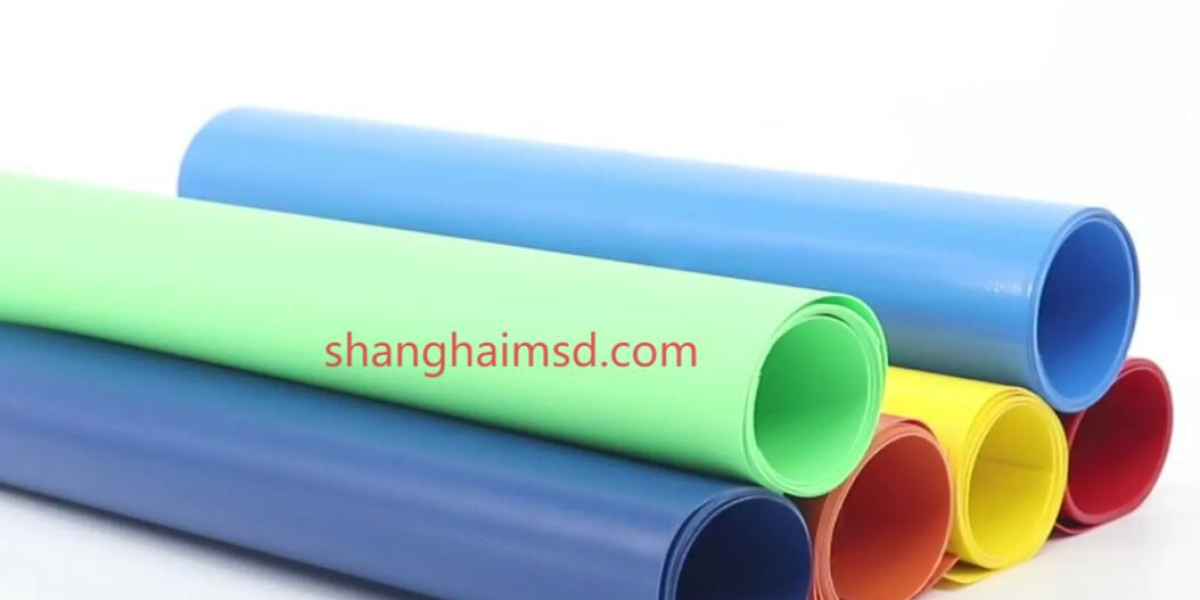

When visual clarity and material flexibility need to work together, PVC Super Clear Film from ShanghaiMsd offers a practical direction for designers and manufacturers considering transparent material solutions. Rather than simply serving as a protective surface, clear film can become an important part of product appearance, presentation, packaging, and functional design.
Transparency can change how people interact with a product. It allows underlying colors, shapes, textures, or components to remain visible while adding another layer to the overall construction. This makes clear materials particularly interesting for projects where visibility is closely connected with presentation.
In product development, appearance often begins with how materials interact with one another. A transparent layer can preserve the visual character of an underlying surface while creating opportunities for additional finishing or protection. Designers can therefore consider transparency as part of the product concept rather than treating it as a secondary detail.
Clear materials can also provide creative freedom across different applications. Packaging concepts, decorative surfaces, printed products, protective layers, display components, and various fabricated items may benefit from a transparent appearance. Each application can require its own balance between visual effect, processing method, structure, and intended use.
Printing and surface treatment can introduce another layer of creativity. Transparent substrates may be incorporated into designs where selected areas remain visually open while other areas carry graphics or decorative elements. This approach can create interesting relationships between printed imagery and the surface beneath it.
Processing requirements should also be considered from the beginning. Depending on the finished product, manufacturing may involve cutting, forming, laminating, printing, welding, or other fabrication techniques. Understanding the relationship between material characteristics and the selected process can help manufacturers plan a more suitable production route.
Transparency can be especially useful when visual information needs to remain noticeable. In display-oriented applications, the ability to see through a material can help products, graphics, or structural details remain part of the overall presentation. This opens possibilities for designs that combine protection and visibility within one concept.
The role of clear film is not limited to visual appeal. It can also become part of a layered material strategy. Designers may combine different materials to achieve a particular surface effect, structural arrangement, or functional purpose. In this context, transparent film becomes one component of a broader construction rather than an isolated material.
Customization further expands the range of possible ideas. Different project requirements may call for specific dimensions, finishing approaches, graphic treatments, or fabrication methods. Starting with the application rather than a predetermined format allows manufacturers to consider how the material can be incorporated into the final product.
For brands and product developers, transparency can also influence presentation. When customers can see elements of a product rather than having them completely concealed, the visual experience can feel more open and direct. This can be useful for packaging, promotional displays, decorative products, and other applications where presentation plays an important role.
A thoughtful material selection process should always begin with the intended environment and final purpose. Questions about handling, fabrication, appearance, installation, surrounding materials, and expected use can help guide the development process. The right approach is not simply about choosing a clear surface, but about understanding how that surface contributes to the complete product.
As designers continue to experiment with layered surfaces, visible structures, and open visual concepts, transparent materials provide another way to rethink familiar products. Clarity can become a design feature, a practical consideration, or both.
Sometimes a new design direction begins by allowing more of the original idea to remain visible. Visit https://www.shanghaimsd.com/product/ and take a closer look at where transparent material concepts could lead your next project. The next clear idea may already be waiting behind the screen.