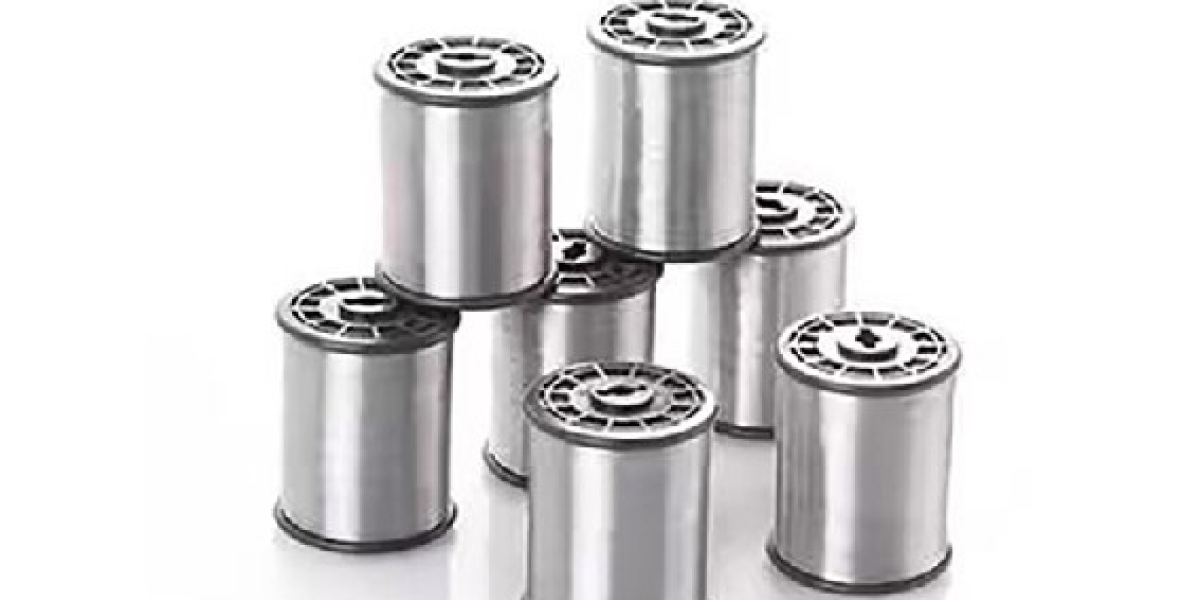

In aluminum fabrication, choosing the right filler metal involves understanding material compatibility, welding conditions, and the performance expected from finished components. Aluminum Welding Wire ER4943 is an option for manufacturers working with compatible aluminum alloys and seeking specific weld metal characteristics. As industrial production increasingly uses lightweight aluminum structures, Aluminum Welding Wire ER4943 attracts attention for its silicon-magnesium alloy composition and potential applications in different joining processes. Knowing how this filler material behaves during welding can help engineers and purchasing teams make more informed decisions.
The Role of Alloy Composition in Welding
The chemical composition of aluminum filler wire influences molten metal behavior, weld formation, and the mechanical characteristics of the deposited metal. ER4943 belongs to the aluminum-silicon filler alloy family and contains magnesium as an additional alloying element.
Silicon contributes to molten metal fluidity and helps support the formation of smooth weld beads. Magnesium influences the strength characteristics of the weld deposit, making the alloy composition an important consideration when comparing different aluminum filler materials.
These characteristics distinguish ER4943 from other commonly used aluminum welding wires. However, the suitability of a filler metal depends on the base alloy, joint design, service environment, and required mechanical properties. Reviewing technical specifications before production is therefore essential.
Applications Across Different Manufacturing Sectors
Aluminum is used in manufacturing because of its relatively low weight, corrosion resistance, and versatility. It appears in transportation components, industrial machinery, equipment frames, and fabricated structures.
For suitable aluminum alloy combinations, ER4943 can be considered in welding applications where its composition and deposited metal properties meet project requirements. Manufacturers may evaluate it for components that require controlled weld characteristics and consistent fabrication results.
Different industries also have different quality expectations. Transportation manufacturers may focus on structural requirements and dimensional accuracy, while industrial equipment producers may pay greater attention to joint consistency and production efficiency. Understanding the final application helps engineers determine whether ER4943 is an appropriate filler material.
Kunli Welding and Product Specification Management
A suitable welding wire supplier should provide clear product information and maintain consistency across production batches. Kunli Welding offers aluminum welding consumables for businesses involved in different fabrication processes.
When purchasing ER4943, buyers should examine several practical specifications, including wire diameter, spool dimensions, surface condition, packaging, and available technical documentation. These factors influence compatibility with welding equipment and material handling during production.
Product samples can also help manufacturers assess wire feeding behavior and confirm whether the material fits their existing welding procedures. For regular procurement, clear communication about order quantities, packaging preferences, and delivery schedules supports better supply planning.
Maintaining accurate product records is equally valuable. Batch information and material documentation help purchasing teams coordinate incoming inspections and provide traceability throughout the manufacturing process.
Improving Welding Preparation and Consistency
Even when the correct filler material is selected, preparation and process control remain important. Aluminum surfaces naturally develop oxide layers, which can interfere with welding if they are not properly addressed. Removing oil, dust, moisture, and other contaminants before welding helps create suitable joint conditions.
Welding parameters should be adjusted according to the base material thickness, joint geometry, wire diameter, and equipment capabilities. Current, voltage, travel speed, and shielding gas conditions all influence the welding process.
Operators should also monitor wire feeding and weld appearance during production. Irregular feeding, inconsistent bead formation, or surface contamination may indicate that adjustments are necessary. Establishing suitable procedures and providing operator training can help reduce avoidable production problems.
For applications with specific mechanical requirements, procedure qualification and appropriate testing should be conducted to verify that the completed joints meet the relevant standards.
Making Informed Filler Metal Purchasing Decisions
Selecting aluminum welding wire requires a balanced evaluation of technical and commercial factors. Buyers should first identify the base alloy and confirm that the proposed filler metal is compatible with the intended application. Mechanical requirements, welding position, equipment type, and service conditions should also be considered.
Supply arrangements matter as well. Stable specifications, suitable packaging, responsive communication, and reliable documentation can help manufacturers organize purchasing activities and maintain production schedules.
Comparing ER4943 with other aluminum filler alloys according to actual project requirements is more useful than choosing materials based on general product descriptions. Technical consultation and sample evaluation can provide additional information before larger orders are placed.
As aluminum components continue to serve a wide range of manufacturing applications, careful filler selection remains an important part of welding management. Businesses interested in aluminum welding wire products and related technical information can visit https://www.kunliwelding.com/ to explore available materials and identify suitable consumables for their fabrication operations.