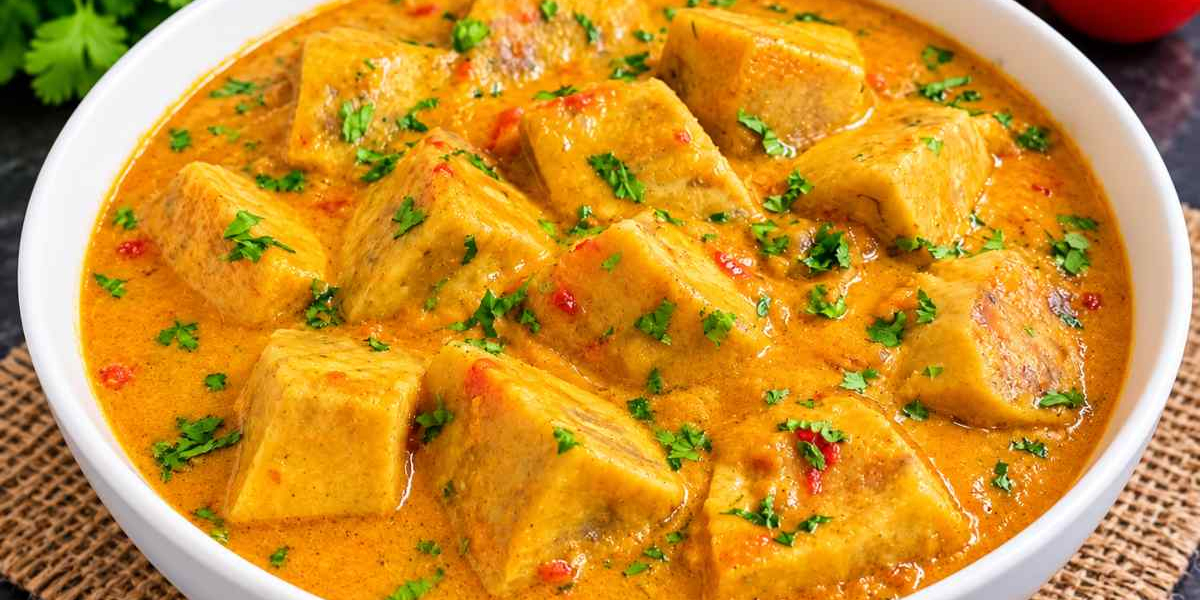

Some foods are quietly woven into daily life. In Kenya that food is often a plain brown root, boiled until fluffy and served with tea, stew, or fish. It is humble, filling, and surprisingly versatile once you know how to handle it. If you are new to this root, or you grew up with it and want to cook it with more confidence, this guide covers everything: what it is, what it contains, how to prepare it safely, and how to turn it into a meal your family will ask for again. At Devine Dishes we believe traditional ingredients deserve the same care as any trending superfood, so we go deep here, from nutrition to a step-by-step recipe.
Quick answer: The Kenyan name for arrowroot is Nduma, a starchy, gluten-free root vegetable (taro, Colocasia esculenta). It must be cooked thoroughly, usually by boiling for 25 to 40 minutes. It is rich in potassium and fibre and can be served boiled, roasted, fried, mashed, or simmered in coconut milk.
What Is Nduma?
Nduma is the Kenyan name for the starchy underground corm of the Colocasia esculenta plant, known elsewhere as taro, cocoyam, or eddoe. In Kenyan markets it is commonly called “arrowroot,” and that is where confusion starts. The corms are brown, slightly hairy, and often egg-shaped or oblong. When cooked, the inside turns from cream or pale lilac to a soft, dense, slightly nutty flesh that sits somewhere between a potato and a sweet chestnut.
Is It the Same as Arrowroot Starch?
Not exactly. The white arrowroot powder sold in baking aisles comes from a different plant, Maranta arundinacea, and is used as a thickener. The root sold fresh in East African markets is taro. Because both are called “arrowroot” in everyday conversation, many home cooks mix them up. If a recipe tells you to boil and peel arrowroot, it means the fresh corm. If it says to stir in a spoonful to thicken a sauce, it means the powder.
Regional Names You Might Hear
The same plant travels under many names, which helps when you shop or search:
Taro or dasheen in the Caribbean and North America
Cocoyam in West Africa
Rabuon among Luo communities in western Kenya
Arrow root in Kenyan grocery stalls and supermarkets
Gabi in the Philippines and Arbi in India
If you live in Canada or elsewhere abroad, look for taro in African, Caribbean, South Asian, and Asian grocery stores. The Kenyan variety is typically larger and slightly less fibrous than small eddoe corms.
Where Nduma Fits in Kenyan and East African Food Culture
Arrowroot has been grown in the highland regions of Central, Western, and Nyanza Kenya for generations. It thrives in damp, shaded soil and often grows along riverbanks and kitchen gardens, which makes it a dependable food for families. Traditionally it is boiled with the skin on, peeled at the table, and eaten with tea, butter, or a spicy stew. In some homes it replaces ugali or rice at the evening meal.
In recent years, Kenyan food creators and home cooks have been reinventing the root: crisp fried chips, creamy coconut preparations, mashed corm with garlic and herbs, even baked arrowroot “fries.” This reflects a wider pattern in East African cooking, where starchy staples carry spices and coconut beautifully. If you enjoy that style of cooking, you may also love our recipe for East African mandazi, a soft, lightly sweet fried dough often served alongside tea and root vegetables at the same table.
Nutrition Facts: What Is Inside This Humble Root?
Nutrition varies by variety, size, and cooking method, so treat these as approximate figures. For roughly 100 grams of cooked taro (the plant behind this root), reference data from sources such as the USDA generally shows:
Nutrient | Approximate amount per 100 g cooked |
Calories | 110 to 115 kcal |
Carbohydrates | 25 to 27 g |
Dietary fibre | 4 g |
Protein | 0.5 to 1.5 g |
Fat | Less than 0.5 g |
Potassium | 400 to 500 mg |
Vitamin C, B6, and E | Small to moderate amounts |
Magnesium and manganese | Moderate amounts |
Why the Numbers Matter
The calorie count is similar to a boiled potato, but the fibre is noticeably higher, and the potassium content is a real highlight. Potassium supports normal blood pressure and muscle function, and many of us fall short of daily needs. The root is also naturally fat-free and gluten-free, which makes it a convenient staple for people avoiding wheat.
A Note for Low-Carb Eaters
With around 25 grams of carbohydrate per 100 grams, this is not a keto-friendly food. If you follow a strict low-carb plan, you may prefer something like our fluffy keto bagels, which deliver the bready satisfaction with far fewer net carbs. For everyone else, a measured portion of arrowroot makes an energising, wholesome starch.
Health Benefits of Eating Arrowroot
No single food is a miracle, and we avoid medical claims here. Still, there is good evidence that whole, minimally processed root vegetables belong in a balanced diet. Here is what this one offers.
Supports Digestion
The fibre in the corm, along with a small amount of resistant starch (which increases when cooked starch cools), feeds beneficial gut bacteria and supports regular digestion. Eating it with vegetables and a protein source slows how quickly the meal is absorbed, which helps you stay fuller.
Provides Steady, Slow-Burning Energy
The carbohydrates in this root are complex rather than simple. That means they release energy more steadily than refined white flour products. Active people, students, and growing children often do well with a serving at lunch or before a long afternoon.
May Help With Weight Management
Because the root is filling, low in fat, and high in fibre, it can fit into a calorie-aware eating plan, as long as portions are reasonable and it is not deep-fried every day. If you are building a plan around satisfying, balanced meals, our guide to healthy breakfast ideas for weight loss shows how to combine fibre, protein, and healthy fats at the start of the day, and the same principle applies when you add boiled arrowroot to your plate.
Naturally Gluten-Free
For people with coeliac disease or gluten sensitivity, root vegetables like this one are a safe, traditional alternative to bread and pasta. Always check labels on any packaged seasonings you add.
How to Choose and Store the Roots
Good results start at the market.
What to Look For
Firm corms. They should feel heavy for their size, with no soft or squishy patches.
Intact skin. Small scratches are fine, but avoid deep cuts or mould.
Fresh smell. A sour or fermented odour means the root has started to rot.
Even size. Pieces of similar size cook at the same rate, so they save you time at the stove.
How to Store Them
Keep unwashed roots in a cool, dry, ventilated place, such as a pantry basket, for up to a week. Do not refrigerate raw corms; the cold can damage their texture and flavour. Once cooked, cool them quickly and store in an airtight container in the fridge for up to four days.
Safety First: Always Cook It Thoroughly
This is the single most important rule. Raw taro contains calcium oxalate crystals that can irritate the mouth and throat and cause an itchy, scratchy sensation. Proper cooking breaks these compounds down. Here is how to stay safe:
Never eat the corm raw.
Cook until completely tender. A fork or knife should slide in with no resistance.
Wear gloves or oil your hands when peeling raw roots, because the sap can irritate sensitive skin.
Do not undercook. If your mouth tingles after a bite, the root needs more time on the heat.
Nduma that has been cooked fully is soft, creamy, and gentle on the stomach, so take your time and test a piece before serving.
How to Cook It: Six Reliable Methods
Once you master the basics, the root becomes endlessly adaptable.
Boiling (The Classic Method)
Place whole, unpeeled corms in a pot, cover with cold water, add a pinch of salt, and bring to a boil. Reduce the heat, cover, and simmer for 25 to 40 minutes depending on size. Drain, let cool for a few minutes, then slip off the skins. Serve warm with butter, black pepper, or a hot stew.
Steaming
Steaming keeps more nutrients and prevents waterlogging. Peel and cube the corms, then steam for 20 to 25 minutes until fork-tender. This works well for meal prep.
Roasting or Air Frying
Boil first for 15 minutes, then peel and cut into wedges. Toss with oil, salt, paprika, and garlic powder, and roast at 200°C (400°F) for 20 to 25 minutes, turning once, until golden and crisp at the edges. An air fryer gets you there in about 15 minutes.
Shallow or Deep Frying
For arrowroot chips, boil the corm until almost tender, cool it completely, slice thinly, and fry in hot oil until crisp. Season immediately with salt and chilli. Treat this as a occasional indulgence rather than a daily habit.
Mashing
Boil, peel, and mash with butter, a splash of milk, roasted garlic, and fresh herbs. The texture is denser and nuttier than potato mash, and it holds seasoning beautifully.
Simmering in Soups and Stews
Chunks of cooked corm thicken soups naturally, because their starch releases gradually. They also soak up the flavour of broth, making them wonderful in vegetable soups and bean stews.
Recipe: Creamy Coconut Arrowroot
This is a comforting, one-pot dish that shows the root at its best. It serves four and takes about 45 minutes.
Ingredients
800 g (about 1¾ lb) arrowroot corms, peeled and cut into 3 cm (1¼ in) chunks
1 tbsp oil or ghee
1 medium onion, finely chopped
3 cloves garlic, minced
1 tsp freshly grated ginger
1 medium tomato, chopped
½ tsp ground turmeric
½ tsp ground cumin
1 can (400 ml) full-fat coconut milk
1 cup (240 ml) water or vegetable stock
Salt and black pepper, to taste
Fresh coriander (cilantro) and a squeeze of lime, to serve
Method
Pre-cook the corm. Boil the chunks in salted water for 10 to 12 minutes until just starting to soften. Drain well. This step also helps remove any remaining surface irritants.
Build the base. Heat the oil in a wide, heavy pot. Cook the onion for 4 to 5 minutes until soft, then add the garlic and ginger and stir for one minute.
Add the spices and tomato. Stir in turmeric and cumin, followed by the tomato. Cook for 3 to 4 minutes until jammy.
Combine. Add the pre-cooked corm chunks, coconut milk, and water. Season lightly with salt.
Simmer gently. Cover and cook on low heat for 15 to 20 minutes, stirring occasionally, until the pieces are fully tender and the sauce has thickened and turned creamy. If it looks too thick, add a splash of water.
Finish. Taste, adjust salt and pepper, and brighten with lime juice and coriander.
Tips for Success
Do not boil the coconut milk hard. A gentle simmer keeps the sauce silky rather than split.
Mash a few pieces against the pot with your spoon to thicken the sauce naturally.
Add heat with a chopped green chilli or a pinch of chilli flakes.
Make it vegan or dairy-free by using oil rather than ghee. It already is.
Make It a Breakfast
Leftover boiled corm is a fantastic breakfast ingredient. Slice it and pan-fry in a little butter until golden, then top with a fried egg and avocado. Or mash it into patties with spring onion and shallow-fry them. If you are looking for more morning inspiration, our roundup of easy, quick breakfast ideas has plenty of options to mix and match with this starchy favourite.
Dinner Pairings That Work Beautifully
This root is a mild, creamy canvas, so it loves bold partners.
Best Protein Partners
Fish: Crispy, spiced fish contrasts well with soft, buttery corm. Try it with our whole tilapia recipe, then serve boiled arrowroot on the side instead of rice.
Stews: Beef, goat, or chicken stew with plenty of tomato and onion.
Beans and lentils: A simple pot of spiced beans turns the meal into a complete, plant-forward plate.
Best Vegetable and Sauce Partners
Sautéed greens such as kale or collards
Kachumbari (tomato, onion, and chilli salad)
Peanut sauce, cilantro sauce, or a simple tomato relish
Common Mistakes to Avoid
Even experienced cooks run into a few snags. Watch for these:
Undercooking. If it tastes chalky or tingles, keep cooking.
Peeling raw without protection. Use gloves or rub oil on your hands.
Overboiling. Overdone corms turn waterlogged and fall apart; check at the 25-minute mark.
Cutting unevenly. Uneven chunks cook inconsistently.
Skipping salt. The root’s mild flavour needs seasoning in the cooking water and the final dish.
Meal Prep and Storage
Boiled corms freeze well. Peel, cut into portions, cool completely, and freeze in airtight bags for up to three months. Reheat in a pan with a little oil or in the oven so the edges crisp up. Creamy coconut dishes keep for three to four days in the fridge but may thicken; loosen with a splash of water or milk when reheating.
Final Thoughts
Cooking with Nduma is about more than adding another starch to your plate. It is a way to connect with a time-tested staple that feeds families, adapts to countless dishes, and rewards patience at the stove. Boil it simply with salt, roast it for crisp edges, or simmer it in coconut milk for a velvety, spice-kissed dinner, and you will quickly see why it has stayed on tables for generations. Start with one method this week, remember the golden rule of cooking it until fully tender, and build from there.
Have you tried one of these methods? Share your favourite way to serve it in the comments, and tag Devine Dishes on social media so we can cheer you on.
Frequently Asked Questions
Is Nduma healthy?
Yes, when cooked thoroughly and eaten in sensible portions. It provides fibre, potassium, and complex carbohydrates, and it is naturally fat-free and gluten-free. It is a starchy food, so balance it with protein and vegetables, especially if you are watching your blood sugar or calorie intake.
Can you eat arrowroot raw?
No. Raw taro contains calcium oxalate, which can irritate the mouth and throat. Always cook it fully until it is soft all the way through.
How long does it take to boil?
Whole, unpeeled corms usually take 25 to 40 minutes, depending on size. Small cubes may be ready in 15 to 20 minutes. Test with a fork; it should slide in easily.
Is it the same as taro?
In most Kenyan kitchens, yes. The fresh root sold as arrowroot is generally Colocasia esculenta, which English speakers call taro. It differs from the white arrowroot starch powder used to thicken sauces.
Is it good for weight loss?
It can support a weight-conscious diet because it is filling and rich in fibre, but it is not a “fat-burning” food. Portion size and cooking method matter: boiled, steamed, or roasted versions are lighter than deep-fried chips.
Where can I buy it outside Kenya?
Look in African, Caribbean, South Asian, and Asian grocery stores, where it is usually sold as taro, dasheen, or arrowroot. Choose firm corms with no soft spots.