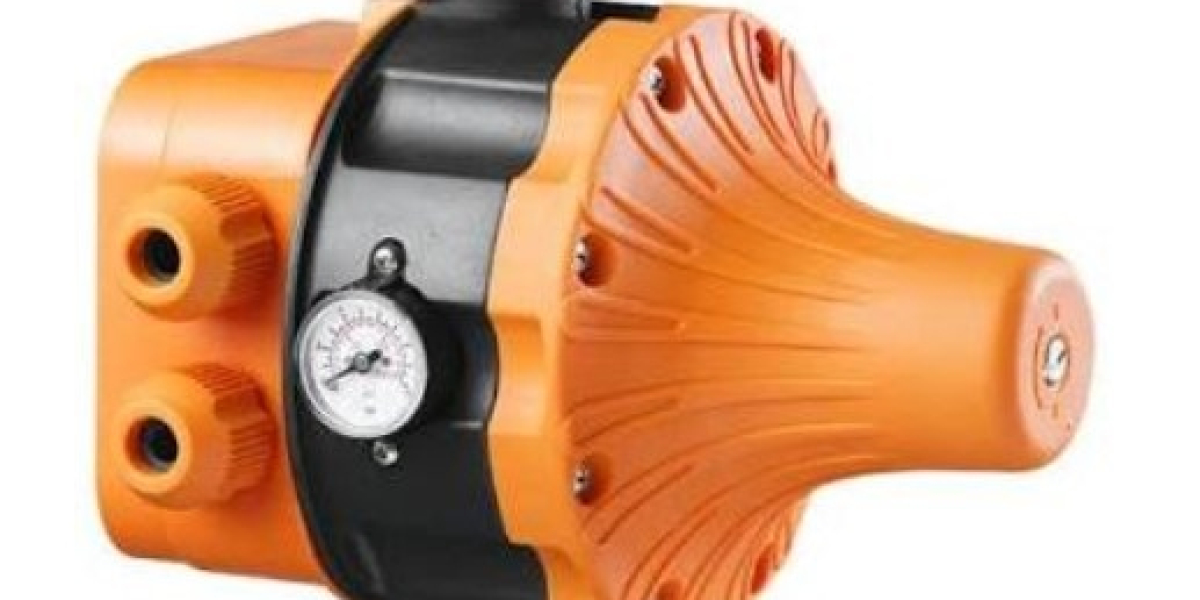

A well-planned pump installation depends on more than selecting a suitable motor and connecting the water pipes. The control arrangement also needs careful attention to support stable operation and convenient system management. By understanding Installation Automatic Pump Control requirements before equipment setup, installers can prepare a configuration that matches the pump, power supply, and water demand. Proper Installation Automatic Pump Control planning also helps users consider component compatibility, installation space, electrical safety, and future maintenance before the system begins operating.
Preparing the Site Before Equipment Setup
The installation environment can influence how an automatic pump control system performs over time. Before starting work, installers should examine the available space, pipe arrangement, power supply, and surrounding conditions. The selected location should allow convenient access for inspection and servicing while protecting relevant components from unsuitable environmental exposure.
It is also important to review the pump manufacturer's instructions and the control device's technical documentation. These materials can provide information about operating limits, connection requirements, mounting methods, and compatible pump types. Checking these details early helps prevent avoidable adjustments during installation.
For projects involving existing water systems, installers should inspect the current pipeline and electrical arrangement. Identifying worn connections, leakage, or unsuitable wiring before adding new control equipment can make the installation process more organized.
Checking Electrical and Pump Compatibility
Automatic pump control devices must be compatible with the equipment they operate. Important details include the pump motor's rated voltage, current, power requirements, and starting characteristics. Installers should compare these specifications with the control device's permitted operating range rather than assuming that different products can be used interchangeably.
The water system also deserves attention. Pump capacity, pressure requirements, pipe dimensions, and the intended water supply application all influence equipment selection. A mismatch between the pump and its control arrangement may lead to irregular operation or unnecessary system adjustments.
Electrical protection should be considered as part of the complete design. Appropriate circuit protection, grounding, and wiring practices are essential. Qualified personnel should handle electrical connections and verify that the installation follows applicable safety standards and the manufacturer's instructions.
MonroSwitch Guidance for Installation Planning
When reviewing automatic pump control options from MonroSwitch, buyers and installers should begin with the product's technical specifications. Understanding the applicable pump types, electrical ratings, connection details, and installation requirements can help determine whether a product is suitable for a particular project.
Clear communication between suppliers, installers, and equipment buyers can also reduce uncertainty. Providing information about the pump model, motor rating, water supply arrangement, and intended operating conditions makes it easier to evaluate product compatibility.
Before installation, it is useful to prepare the required tools and confirm that all relevant components are available. Installers should also identify the control device's mounting position and plan the wiring route. Following the product documentation helps ensure that each connection and adjustment is completed in the correct sequence.
Testing the System After Installation
Once the equipment has been installed, the system should be checked before regular operation begins. Initial testing can include examining electrical connections, inspecting pipe joints, confirming water supply conditions, and observing whether the pump responds as expected to the control settings.
The starting and stopping behavior should be monitored under appropriate operating conditions. If the pump does not respond correctly, installers should investigate possible causes such as incorrect wiring, unsuitable settings, pressure variations, or component incompatibility. Adjustments should follow the manufacturer's guidance rather than relying on guesswork.
A complete handover should include basic operating instructions and maintenance recommendations. Users need to understand how the system normally behaves and which signs may indicate that inspection is necessary. Clear documentation can make future troubleshooting more efficient.
Maintaining Performance Through Routine Inspection
After installation, regular inspection helps keep the pump control system in suitable working condition. Users can check for visible damage, loose connections, unusual sounds, and changes in pump operation. Inspection frequency should reflect the operating environment and the manufacturer's recommendations.
Maintenance should cover the wider pump system rather than focusing only on the control device. Pipe leakage, changes in water supply, worn fittings, and pump performance can all affect system behavior. Recording service dates and observations also helps identify recurring issues.
A thoughtful installation process combines product compatibility checks, safe electrical work, careful testing, and ongoing maintenance. To review available automatic pump control products and installation-related information, visit https://www.monroswitch.com/ and explore the options for your application.