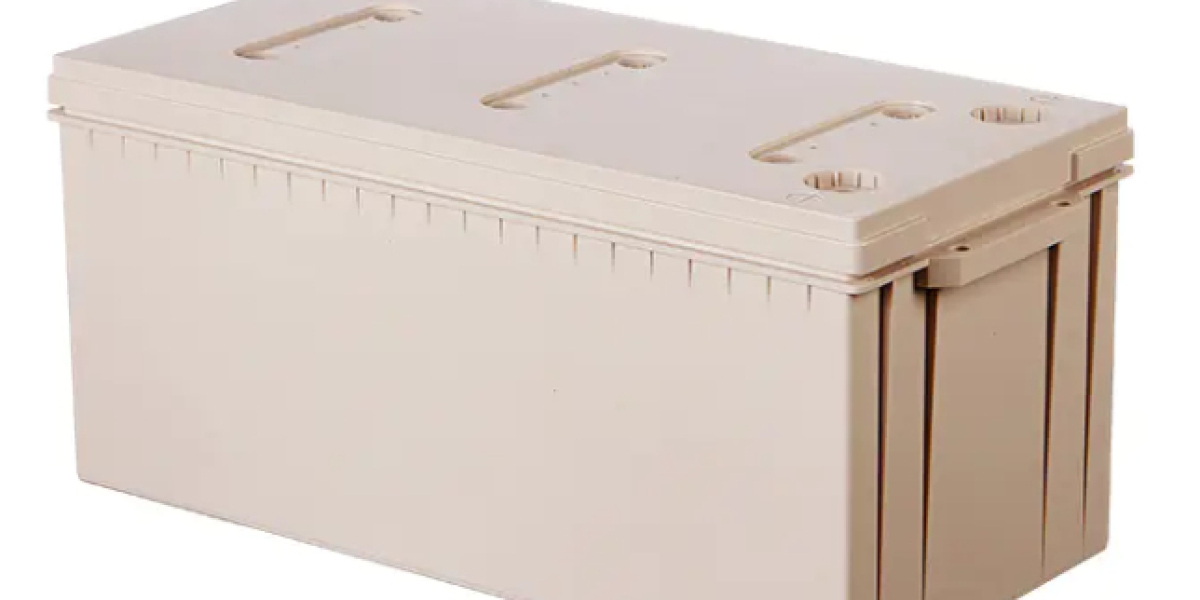

Developing an automotive battery enclosure for an original equipment manufacturer involves translating engineering requirements into a component that can be produced consistently and integrated into a larger vehicle system. During this process, Plastic Automotive Battery Enclosure OEM projects require coordination between material selection, mold design, assembly interfaces, and the customer's production expectations. The enclosure must accommodate the battery's internal arrangement while fitting the available installation space and supporting the intended handling process. Early collaboration between the buyer and manufacturer helps identify design conflicts before they become expensive changes during tooling or mass production.
Material engineering is one of the first considerations in custom enclosure development. Plastic offers manufacturers flexibility in shaping complex geometries and integrating features into a single molded component. However, material choice should follow the demands of the application rather than general assumptions about plastic. The selected polymer needs to suit the expected environmental conditions, the battery's construction, and the manufacturing process. Chemical compatibility, structural stability, surface quality, and resistance to handling-related damage may all require evaluation. Processing behavior is equally important because a material that is difficult to mold consistently can complicate production planning. Buyers should discuss material options with the supplier and review appropriate documentation before confirming the design.
OEM purchasing begins with a clearly defined project brief. Buyers should explain the battery type, intended vehicle application, installation arrangement, preferred manufacturing approach, and any relevant compliance obligations. Drawings and reference samples can help clarify the required interfaces, including cover connections, terminal access, mounting areas, and internal clearances. It is also useful to identify which features are fixed and which may be adjusted during development. Clear requirements allow the supplier to assess tooling complexity and manufacturing feasibility more effectively. Without this preparation, design changes may occur late in the process, affecting sample approval, production schedules, and coordination with other component suppliers.
Mold development connects the product concept with repeatable manufacturing. Injection molding can produce detailed enclosure shapes, including reinforcing ribs, locating features, recessed surfaces, and integrated mounting structures. These features need to be planned around material flow, cooling behavior, mold release, and the functional requirements of the finished component. Design-for-manufacturing reviews can reveal areas where a shape may be difficult to reproduce or where unnecessary complexity could increase tooling demands. Prototype assessment and mold trials provide opportunities to examine fit, surface condition, and dimensional consistency before routine production. The supplier and buyer should agree on the inspection criteria that matter most to assembly and product function.
Technical integration requires the enclosure to work with the battery and its surrounding vehicle components. The position of mounting points, terminal areas, cover interfaces, and identification labels can influence how efficiently the battery moves through assembly. The case must also accommodate the battery manufacturer's specified sealing and venting arrangements. These details cannot be determined by the plastic component supplier in isolation; they require coordination with the battery's engineering design and the intended vehicle installation. Reviewing the full assembly helps confirm that the enclosure supports the intended layout without obstructing connections or service access. Any safety-related features should be assessed against the requirements applicable to the complete battery system.
The user experience in an OEM project extends beyond the eventual vehicle owner. Assembly operators need components that can be identified, positioned, and handled consistently, while service personnel may require practical access when replacing or inspecting the battery. Clearly defined edges, logical mounting features, and consistent interfaces can make these tasks more straightforward. Packaging and transportation also influence usability because housings must reach the production site without avoidable damage or confusion between product versions. Buyers should therefore evaluate the enclosure across its entire journey, from incoming inspection and assembly to installation and future service, rather than focusing only on its appearance as a finished part.
Appearance and structural design should support the same manufacturing objectives. The enclosure's external form can be tailored to available vehicle space, nearby components, and the visual conventions of the battery product range. Surface texture, color, and label placement may help with product identification, while well-integrated ribs and transitions can support a considered structural layout. Yet a visually clean design is only useful when it remains practical to mold, inspect, pack, and assemble. Design reviews should consider mold release, surface marks, parting lines, and the placement of functional details. These factors help align the customer's preferred appearance with production realities.
Long-term OEM cooperation depends on communication and consistent quality management. Buyers can review a supplier's approach to material control, tooling maintenance, sample approval, production inspection, and change management. Agreed documentation and traceability procedures can help both parties respond to revisions or investigate manufacturing concerns. Taizhou Sanding Molding Co., Ltd. provides plastic battery containers and related molded battery products for different application needs. Businesses planning a customized enclosure can discuss their drawings, material expectations, installation requirements, and quality criteria with the company during project evaluation. More information about its products and manufacturing solutions is available at https://www.cnsandine.com/product/.