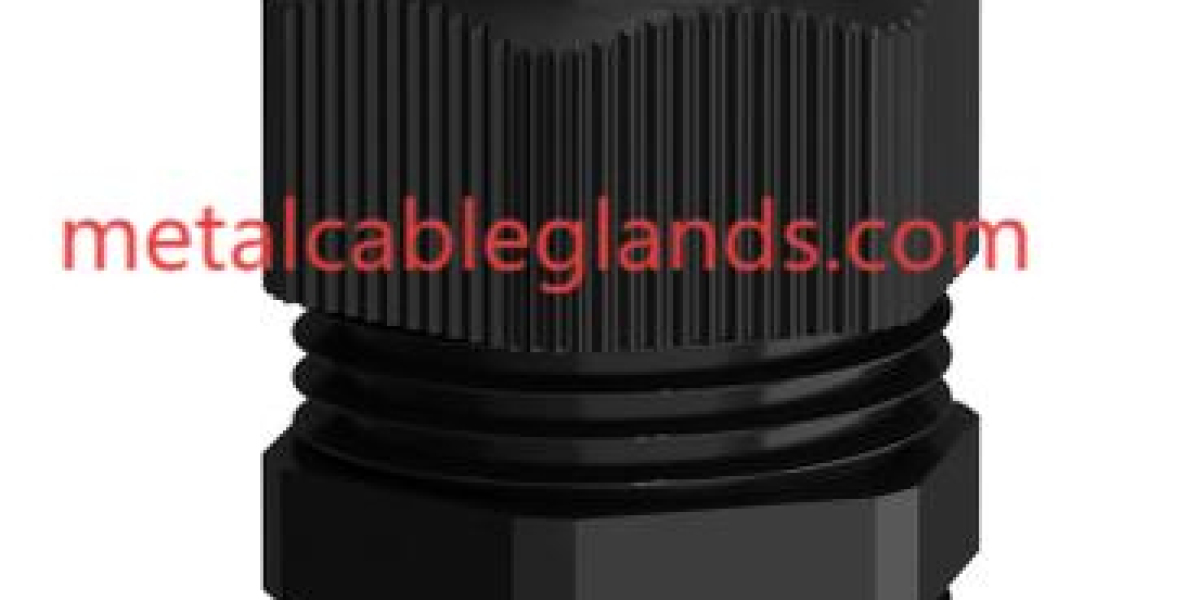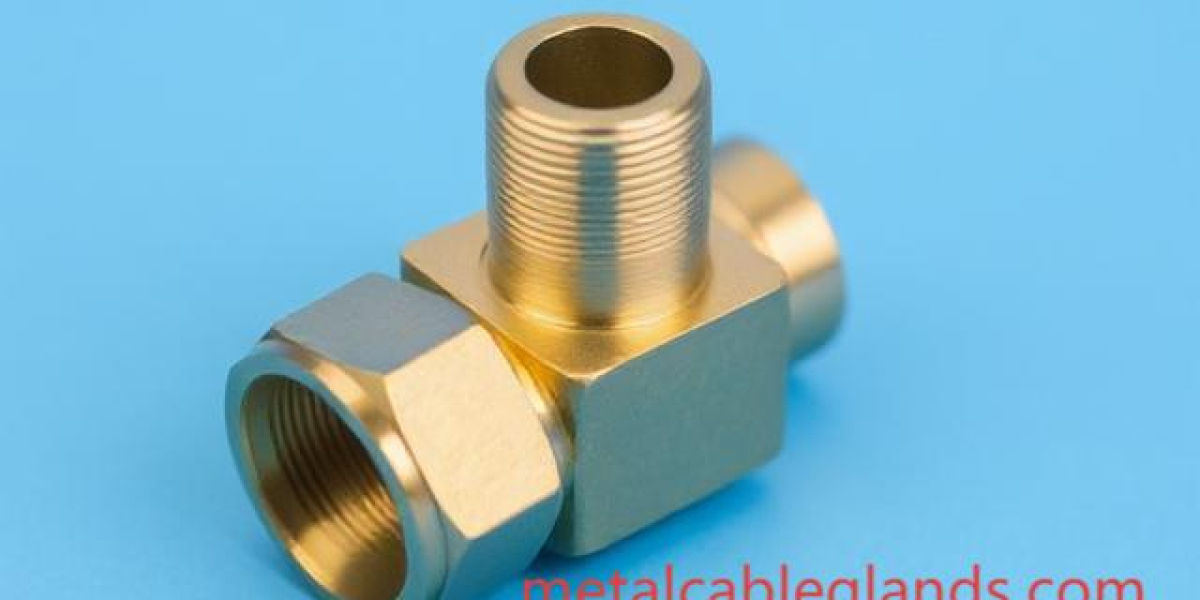

In electrical manufacturing, even a small connection accessory can make equipment assembly more flexible, and a Cable Gland Reducer can help address differences between compatible threaded openings and components. For panel builders, machinery producers, and industrial buyers, choosing a suitable Cable Gland Reducer involves checking dimensions, construction materials, and the demands of the installation environment. A thoughtful selection process helps teams avoid fitting problems, organize component specifications, and keep projects moving without unnecessary delays.
Getting the Measurements Right Before Ordering
Accurate measurements provide the foundation for selecting threaded connection accessories. Before placing an order, technicians should confirm the required thread sizes, thread standards, pitch, and connection arrangement. These details matter because components that appear similar may still be incompatible.
Project drawings and equipment manuals can help clarify the required dimensions. When information is incomplete, buyers should consult the relevant supplier or equipment manufacturer rather than relying on visual estimates. This is especially useful when replacing older components or integrating accessories from different sources.
Keeping dimensional information in a shared specification sheet can also simplify future purchasing. Engineering and procurement teams can refer to the same requirements, reducing confusion when multiple people are involved in a project.
Considering Durability Across Different Applications
Industrial installations can expose connection accessories to a wide range of conditions. Indoor control cabinets may operate in relatively stable environments, while outdoor equipment can encounter rain, sunlight, temperature changes, and moisture. Some industrial sites also involve vibration, dust, or contact with cleaning chemicals.
Material selection should reflect these conditions. Brass, stainless steel, and suitable polymer materials each have different properties, and their suitability depends on the product design and application requirements. Buyers should review the manufacturer's specifications rather than assuming that one material works equally well in every setting.
Surface treatment, mechanical strength, and applicable compliance requirements may also influence the decision. Matching the product to the actual environment can help support dependable service and reduce avoidable replacement costs.
MetalCableGlands: Making Procurement More Efficient
A clear purchasing process helps businesses find suitable accessories without unnecessary back-and-forth communication. Before requesting a quotation, buyers can prepare a short brief covering dimensions, material preferences, intended use, order quantities, and any relevant project requirements.
It is helpful to ask about available configurations, technical drawings, packaging details, and expected lead times. These questions provide a clearer picture of whether a proposed product fits the project schedule and technical needs.
For distributors, maintaining consistent product records can be especially valuable. Approved specifications, supplier contacts, and previous order details make repeat purchases easier to coordinate. They also help purchasing teams compare alternatives using consistent criteria instead of relying on price alone.
Installation Details That Should Not Be Overlooked
Good installation practices begin with inspecting the components before assembly. Threads should be checked for visible damage, contamination, or irregularities that could affect fitting. Technicians should follow the product instructions and use suitable tools to avoid damaging the connection through excessive force.
The accessory should also be considered as part of the complete cable entry arrangement. Enclosure design, sealing elements, cable support, and installation conditions can all affect the finished assembly. A reducer by itself does not automatically establish a particular level of dust or water protection.
Where vibration or frequent servicing is expected, maintenance teams should establish appropriate inspection routines. Checking for corrosion, loosening, and physical wear can help identify issues before they interrupt equipment operation.
Creating More Value From Every Purchase
Smart sourcing is about finding components that meet technical requirements while supporting practical business goals. Buyers can compare dimensional accuracy, material suitability, available documentation, delivery reliability, and supplier communication before making a final decision.
For complex projects, requesting additional specifications or samples where available may help resolve uncertainties before ordering larger quantities. Clear communication between engineers, purchasing teams, and suppliers also reduces the risk of selecting an unsuitable configuration.
Businesses exploring threaded cable accessories and related connection products can visit https://www.metalcableglands.com/ to review available information. By confirming measurements, considering operating conditions, and maintaining organized purchasing records, teams can make more confident decisions and support smoother equipment assembly.