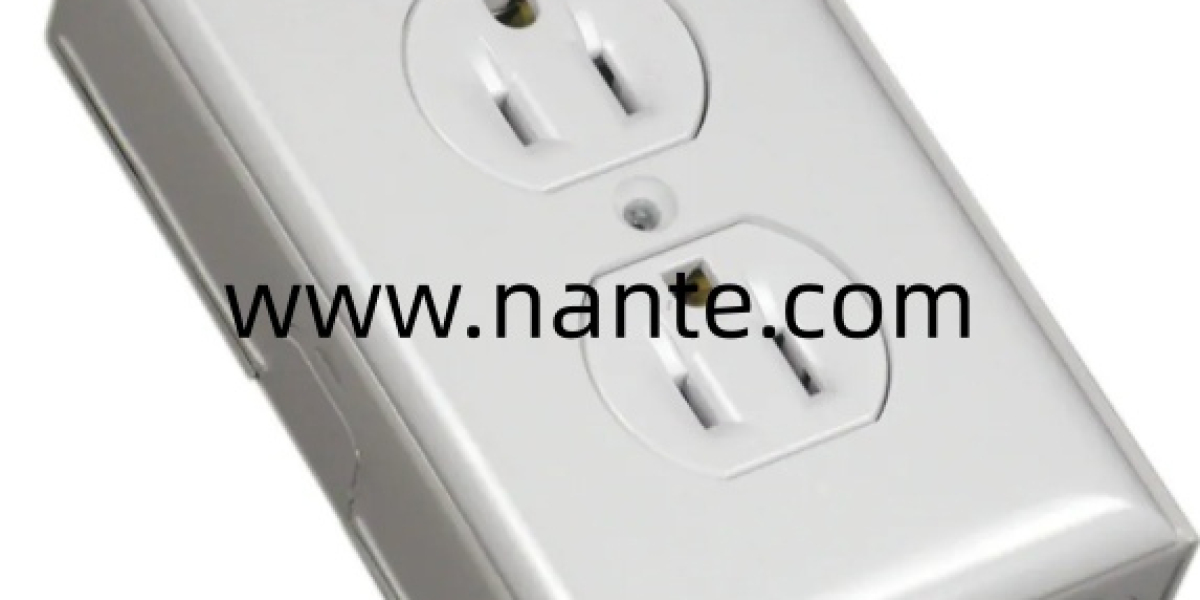

Reliable electrical connections play an important role in keeping industrial equipment organized and ready for daily operation. An Industrial Plug Socket Connector from Nante provides a connection solution for workplaces that require compatible interfaces between power supplies and electrical devices. From equipment assembly to workshop installations, selecting suitable connection components can help simplify system layouts, support convenient operation, and align electrical arrangements with the practical needs of each application.
Industrial environments often bring together machinery, portable tools, control equipment, and other electrical devices. Each component may have different connection requirements, making compatibility an essential part of the purchasing process. A suitable connector should match the intended equipment and provide an appropriate interface for the installation. Considering these requirements before procurement can help prevent fitting difficulties and reduce the need for unnecessary adjustments during assembly.
The design of a plug and socket connection influences how users connect, disconnect, and manage electrical equipment. Factors such as connector configuration, housing structure, contact arrangement, and cable entry can affect the suitability of a product for a particular workplace. In busy production areas, practical handling is especially important because operators and maintenance personnel may need regular access to electrical connections. Choosing a design that fits the operating routine can contribute to a more orderly working environment.
Environmental conditions should also guide product selection. Industrial facilities can differ considerably in their exposure to moisture, dust, vibration, and mechanical contact. A connector intended for a controlled indoor area may not be suitable for a demanding outdoor installation. Buyers should therefore examine the manufacturer's stated protection level, material specifications, and permitted operating conditions. Appropriate sealing, installation practices, and routine inspection are also important when maintaining protection in the intended environment.
Another consideration is how connection components fit into the wider electrical system. A connector must work with the relevant plugs, sockets, cables, and equipment rather than being selected as an isolated part. Electrical ratings, connector compatibility, grounding arrangements, and applicable safety requirements should be reviewed before installation. When an application involves specialized machinery or challenging working conditions, qualified electrical personnel can help confirm the appropriate configuration and installation method.
Good connection planning can also support maintenance activities. When electrical interfaces are positioned logically and selected with the equipment layout in mind, technicians can more easily identify connection points during routine inspections. Clear organization may also help reduce cable congestion around workstations and machinery. These benefits depend on the complete installation, including cable routing, mounting arrangements, access space, and the way equipment is used throughout the working day.
For equipment manufacturers, contractors, distributors, and industrial purchasing teams, choosing a suitable connector involves more than comparing exterior designs. Product documentation, available configurations, installation guidance, and communication with the supplier can all influence the decision. Buyers should explain the intended application and provide relevant technical requirements when requesting product information. This allows the proposed solution to be assessed against the actual installation rather than relying on appearance alone.
Long-term performance also depends on correct use and maintenance. Connectors should be installed according to the manufacturer's instructions, inspected for visible wear or damage, and operated within their specified limits. Damaged components should be handled according to applicable safety procedures rather than kept in service simply because they still appear usable. A consistent maintenance approach helps businesses manage electrical equipment responsibly and maintain a clear understanding of connection conditions.
A carefully selected connection component can make a meaningful contribution to a well-planned industrial installation. By evaluating compatibility, environmental suitability, ease of access, and maintenance requirements together, businesses can make purchasing decisions that support their equipment and everyday workflows. The goal is to choose a practical solution that fits the application and works as part of a properly designed electrical system.
Every industrial setup has its own connection challenges, and the right place to begin is with clear product information. Visit https://www.nante.com/product/ to review available electrical connection solutions and identify options worth considering for your next project. Take a closer look, compare the details against your installation needs, and let your next equipment decision start with a more informed choice.