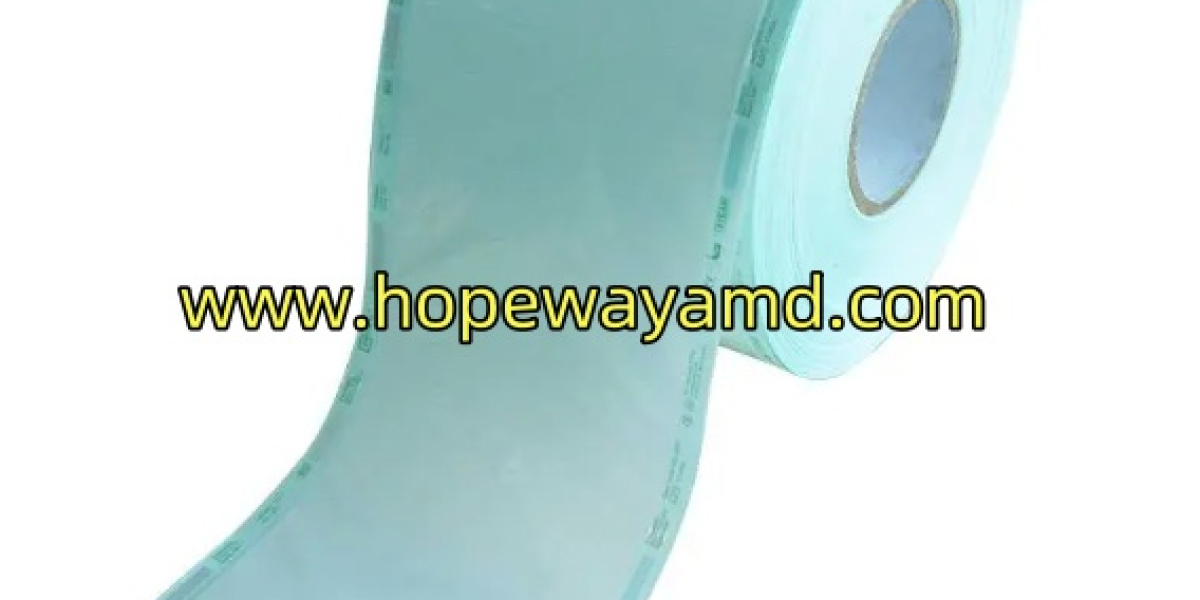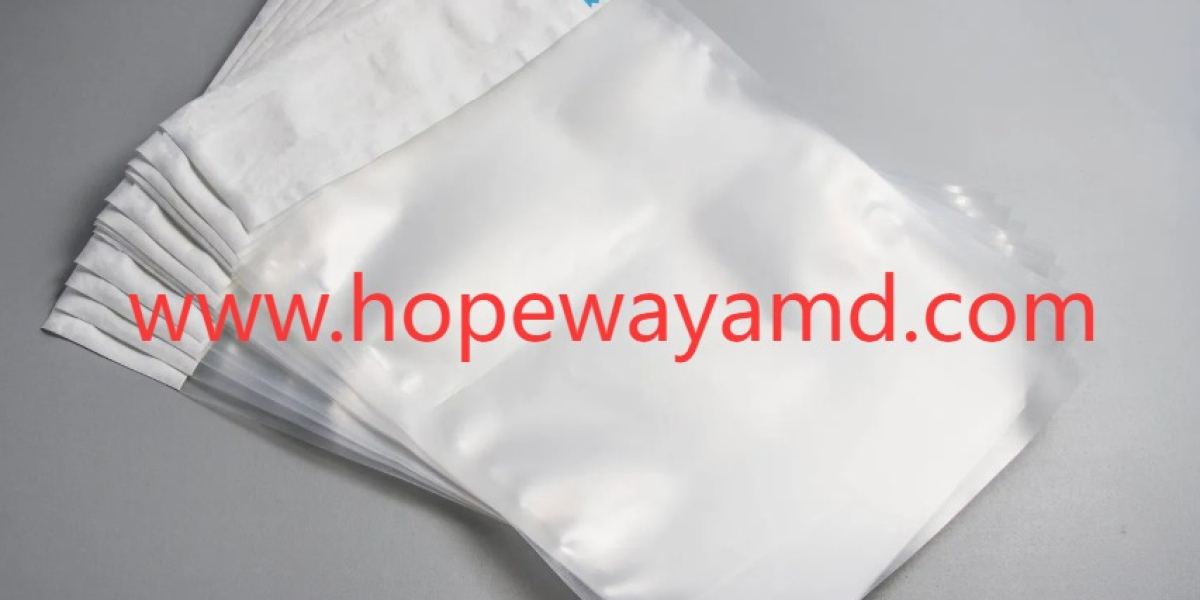

In medical and sterilization packaging, material selection can influence protection, handling, and workflow efficiency. Tyvek Breathing Cover from Hopeway AMD is designed for applications where controlled breathability and protective packaging need to work together. Its material characteristics make it suitable for packaging concepts that require a thoughtful balance between barrier protection and airflow management, helping manufacturers create packaging solutions aligned with specific product requirements.
A breathable packaging structure can play an important role in sterilization-related environments. When packaging needs to accommodate sterilization processes, material behavior becomes an essential consideration. A suitable breathable layer can support the movement of sterilizing agents while helping maintain protection after processing. This makes breathable packaging particularly relevant for medical devices, instruments, and other products that require carefully considered packaging systems.
Material consistency is another important factor in packaging design. A well-structured cover should integrate smoothly with the surrounding packaging components without creating unnecessary complications during production or handling. The material should also support practical converting processes, allowing manufacturers to develop packaging formats that match different product shapes and operational requirements.
Flexibility can be valuable when packaging needs vary across applications. Different medical products may require different packaging configurations, sealing approaches, and handling methods. Breathable materials can provide manufacturers with additional possibilities when designing packaging structures for individual product categories. This adaptability can help packaging teams create solutions that fit their workflows instead of relying on a single standardized format.
Protection remains central to medical packaging. A breathable structure should work as part of a complete packaging system rather than being considered in isolation. Its role may involve supporting sterilization, maintaining package integrity, and contributing to the overall protective environment surrounding the packaged product. Careful material selection can therefore help packaging designers coordinate multiple functional requirements within one system.
Manufacturing considerations also deserve attention. Packaging materials need to be compatible with converting, sealing, forming, and other production processes. When a material integrates naturally into established workflows, manufacturers can approach packaging development with greater flexibility. This can be especially useful for companies working with different device configurations or adapting packaging designs for changing production needs.
Another valuable consideration is handling. Medical packaging is often moved through multiple stages before reaching its final application. Packaging should therefore be designed with practical usability in mind. A carefully selected breathable cover can contribute to a packaging structure that is easier to organize, process, and handle while preserving the intended protective function.
As medical packaging continues to evolve, manufacturers are paying closer attention to material functionality, process compatibility, and application-specific design. Rather than treating packaging as a simple outer layer, modern packaging development increasingly considers how each component contributes to the complete system. Breathable materials can become an important part of this approach when airflow, sterilization, and protection need to coexist within a carefully planned structure.
Choosing the right packaging material is ultimately about matching material characteristics with real application needs. Product design, sterilization methods, sealing processes, storage conditions, and handling requirements can all influence the appropriate packaging approach. A solution-oriented material strategy allows manufacturers to develop packaging that supports both production objectives and product protection.
For companies looking to rethink breathable medical packaging, the next idea may be closer than expected. Step beyond familiar packaging concepts and visit https://www.hopewayamd.com/product/ to see where thoughtful material design could take your next project.