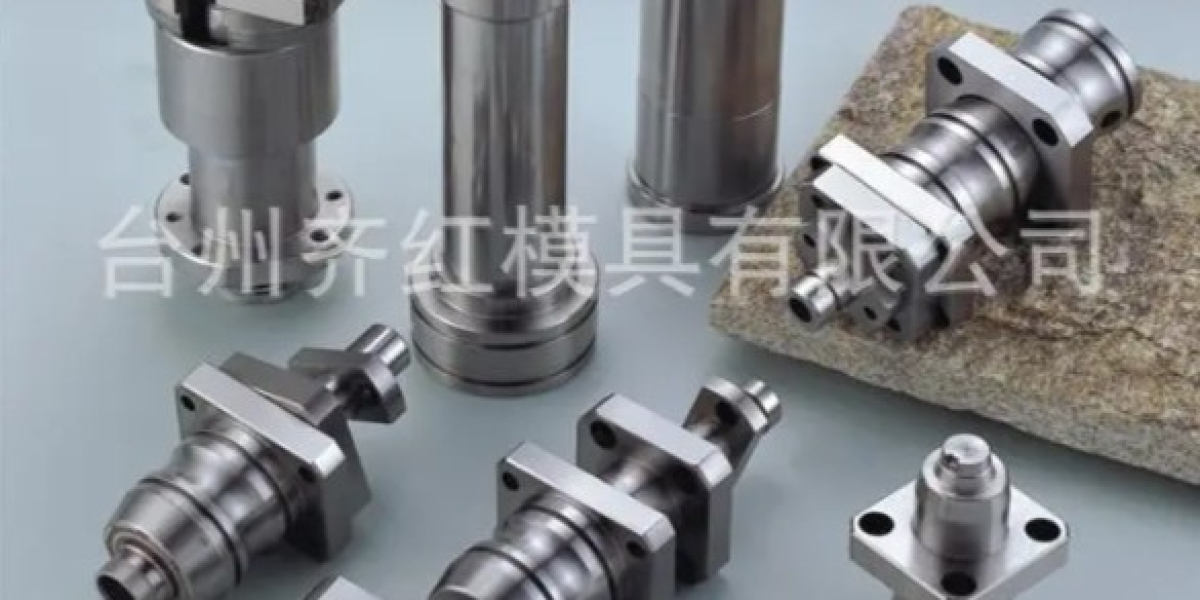

When packaging manufacturers introduce a new bottle, the challenge often lies in balancing product appearance, production requirements, and changing customer preferences. A thoughtfully developed Bottle Blowing Mould gives manufacturers a practical way to create containers with specific shapes and dimensions, while a suitable Bottle Blowing Mould can help production teams adapt their processes to different packaging projects. From personal care containers to household product bottles, the right mould design starts with understanding how the finished product will be used, handled, stored, and presented.
Turning Product Ideas into Mould Designs
Bottle development usually begins with a drawing, sample, or set of technical requirements. Before mould production starts, manufacturers need to clarify bottle capacity, overall height, neck dimensions, base shape, and surface details. These specifications guide cavity development and help determine whether the proposed design fits the intended production equipment.
Visual appearance also deserves attention. Curved shoulders, textured surfaces, distinctive bases, and custom contours can give packaging a recognizable identity. However, decorative details should remain compatible with the moulding process. Discussing both appearance and manufacturing requirements early allows designers to create a bottle that looks appealing without introducing unnecessary production complications.
Supporting Different Bottle Applications
Packaging requirements vary considerably between industries. A bottle designed for shampoo may prioritize convenient handling and shelf presentation, while a container for cleaning products may need a practical grip and a structure suited to repeated movement. Food and beverage packaging introduces its own considerations, including closure compatibility and the intended storage environment.
These differences affect mould specifications and the way manufacturers evaluate a proposed design. Rather than choosing a mould based only on its external shape, buyers should consider the finished container's function, material, and expected usage. A clear application brief gives the mould supplier a stronger basis for recommending appropriate structural details.
Preparing for Design Changes and New Products
Product ranges rarely remain unchanged forever. Brands may introduce new capacities, refresh packaging styles, or develop bottle variations for different markets. Planning for these possibilities during the initial design stage can make later development easier.
Manufacturers can discuss which dimensions must remain fixed and which features may vary between product versions. They should also review whether future designs will require separate moulds or can share selected production arrangements. Although every project has different technical limits, early planning helps businesses understand potential tooling requirements before committing to a wider product range.
Improving Communication Between Teams
Successful mould projects depend on clear communication among packaging designers, production engineers, purchasing teams, and suppliers. A drawing alone may not explain every practical requirement, so it is helpful to document tolerances, surface expectations, machine information, and any special features that need attention.
Sample reviews can provide another useful checkpoint. When a prototype is available, the team can assess its dimensions, appearance, closure fit, and handling characteristics before moving further into production. Recording feedback in a consistent format makes revisions easier to track and reduces the risk of overlooking important details during development.
Working with Qihong Mould on Project Requirements
Selecting a mould supplier involves more than comparing quotations. Buyers should look at technical communication, experience with relevant bottle designs, manufacturing arrangements, and the support available when specifications need clarification. Sharing accurate drawings and explaining the intended application helps the supplier understand the project from the beginning.
A well-organized development process can also make it easier to coordinate samples, review modifications, and prepare for production. Qihong Mould provides bottle mould options for manufacturers with different packaging requirements. To explore available products and discuss a suitable solution for your project, visit https://www.qhpreformmould.com/ .