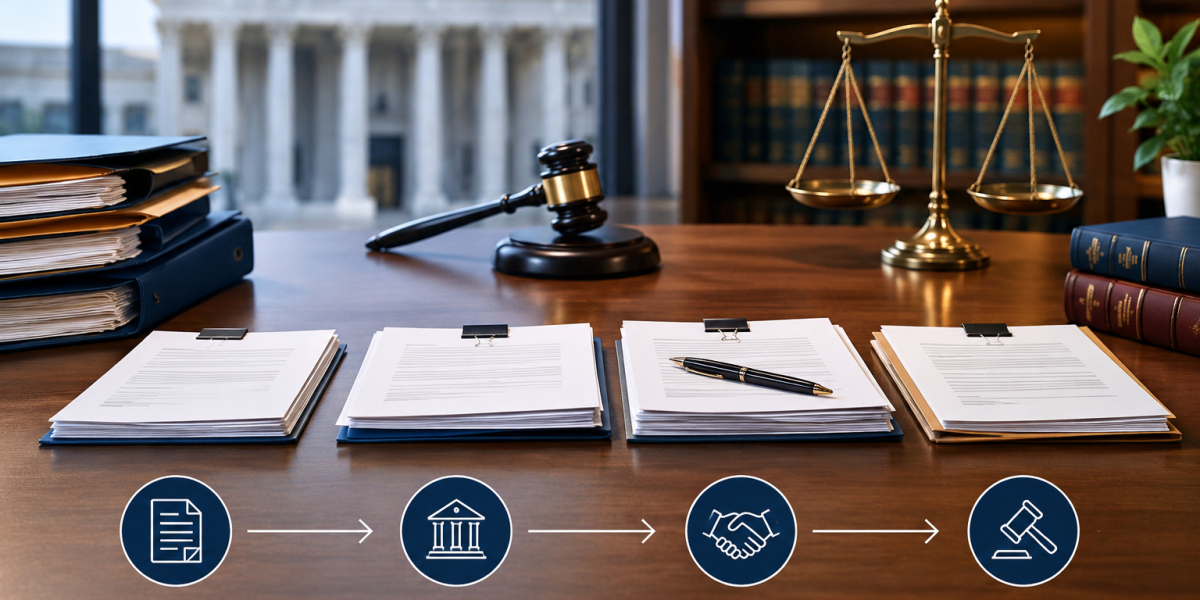

Keeping track of a legal dispute can be difficult, especially when a lawsuit involves several parties, multiple court filings, or a long series of hearings. A case that begins with one complaint can develop into a complicated legal process involving motions, responses, evidence, court orders, settlements, and appeals. For this reason, people looking for lawsuits latest information need more than a single headline or short social media post.
Reliable legal information helps readers understand what has happened, what remains unresolved, and what developments may be important. Platforms such as lawsuitwiki can provide a convenient way for readers to explore lawsuit-related topics and follow developments over time.
What Happens After a Lawsuit Is Filed?
The beginning of a lawsuit is generally marked by the filing of a legal complaint. The complaint describes the plaintiff's claims and explains why the plaintiff is asking the court to take action.
After the complaint is filed, the defendant may respond. Depending on the circumstances, the response can deny the allegations, raise legal defenses, or challenge aspects of the case.
This initial stage is important, but it does not determine the final outcome. A lawsuit may continue for months or even years after the first filing.
When looking for lawsuits latest information, readers should therefore avoid assuming that the filing of a complaint means the claims have been proven. A complaint represents the position of the party that filed it.
Court Filings Can Provide Important Details
Court documents are often among the most useful sources for understanding a lawsuit. They can contain information about the claims, defenses, motions, evidence, and procedural history of a case.
Some documents may be lengthy and contain technical legal language. This can make them difficult for the average reader to understand. Legal news and information websites can help by explaining important developments in simpler language.
However, readers should still pay attention to the original context. A short summary may leave out important details that appear in the underlying filing or court order.
For people researching lawsuits latest information, combining accessible reporting with official court information can provide a more complete understanding of a case.
Why Court Orders Matter
A court order can be an important development in a lawsuit. Judges may issue orders addressing procedural matters, discovery disputes, motions, deadlines, or other issues.
Not every court order represents a final decision on the entire lawsuit. For example, a judge may decide whether a particular claim can proceed without determining whether the plaintiff will ultimately win the case.
This distinction is important because online headlines can sometimes make procedural decisions appear more final than they actually are.
Readers should examine what a particular order actually decides before drawing conclusions about the overall status of a lawsuit.
Motions and Legal Arguments
During litigation, parties may file different types of motions. These filings allow lawyers to ask the court to make specific decisions.
One party may request dismissal of certain claims. Another may oppose that request. The court may then issue a decision explaining whether the motion is granted, denied, or partially granted.
These developments can significantly affect the direction of a case.
When researching lawsuits latest information, it is useful to identify whether an update concerns a motion, a response, a hearing, or a final ruling. Understanding the type of filing provides important context.
Settlements and Resolutions
Not every lawsuit reaches a full trial. Parties may resolve their dispute through a settlement.
A settlement generally involves an agreement between the parties concerning the claims or issues in dispute. The terms can vary considerably from one case to another.
In some situations, a settlement may resolve an entire lawsuit. In others, only certain claims or parties may be addressed.
Readers should also be careful with reports about possible settlements. Discussions or negotiations do not necessarily mean that a final agreement has been reached.
This is another reason to verify the latest documented development when searching for lawsuits latest information.
The Role of Appeals
Even after a court issues a decision, a legal dispute may continue through an appeal.
An appeal is different from starting a completely new lawsuit. An appellate court generally reviews legal issues arising from proceedings in a lower court according to applicable rules and procedures.
The existence of an appeal can make a case's status more complicated. A lower-court decision may be subject to further review, and the final legal position may not be clear until the appellate process develops further.
For this reason, readers should check whether a case has been appealed when researching its current status.
Why Old Articles Can Be Misleading
Search engines can sometimes display older articles alongside newer information. An older article may remain highly visible even though the lawsuit has changed substantially since it was published.
For example, an article might describe the initial allegations, while a later court order could significantly change the procedural status of the case.
This means readers should always check dates when researching legal matters.
A useful resource such as lawsuitwiki can help readers organize information and understand developments, but the date of each update remains important.
Separating Legal Facts From Online Commentary
Legal disputes often attract strong opinions online. People may discuss who they believe is right, what they think a court should decide, or what they believe will happen next.
Those opinions are different from documented legal developments.
A factual report should identify what has been filed, what the court has decided, and what each party has stated. Commentary can provide perspective, but it should not be confused with an official court finding.
Readers searching for lawsuits latest information can benefit from maintaining this distinction throughout their research.
Using Lawsuitwiki for Legal Research
The amount of information surrounding a lawsuit can make independent research time-consuming. A legal information platform such as lawsuitwiki can help readers find relevant lawsuit-related material without having to begin every search from scratch.
The most useful approach is to treat online legal information as a starting point for understanding a case. Readers can then examine the dates, sources, court documents, and other available information to establish a clearer timeline.
For people who need legal advice about their own circumstances, consulting a qualified legal professional is still important. General information about a lawsuit cannot replace advice tailored to a person's specific situation.
Building a Clear Lawsuit Timeline
One of the easiest ways to understand a complicated lawsuit is to create a timeline.
Start with the original filing date. Then note significant responses, important motions, hearings, court orders, settlements, judgments, and appeals.
A timeline can reveal how a case has developed and help readers avoid relying on outdated information.
When searching for lawsuits latest information, comparing the newest development with earlier events can also provide useful context. A recent filing may only make sense when the reader understands what happened previously.
Conclusion
Lawsuits can develop through many stages, and the latest update does not always tell the entire story. Understanding court filings, motions, orders, settlements, and appeals can help readers interpret legal developments more accurately.
For anyone searching for lawsuits latest information, checking dates, identifying reliable sources, and distinguishing allegations from established court findings are essential steps.
lawsuitwiki can provide a convenient starting point for exploring lawsuit-related information and following developments. By approaching legal information carefully and considering the full timeline of a case, readers can gain a clearer understanding of what is publicly documented and what remains unresolved.