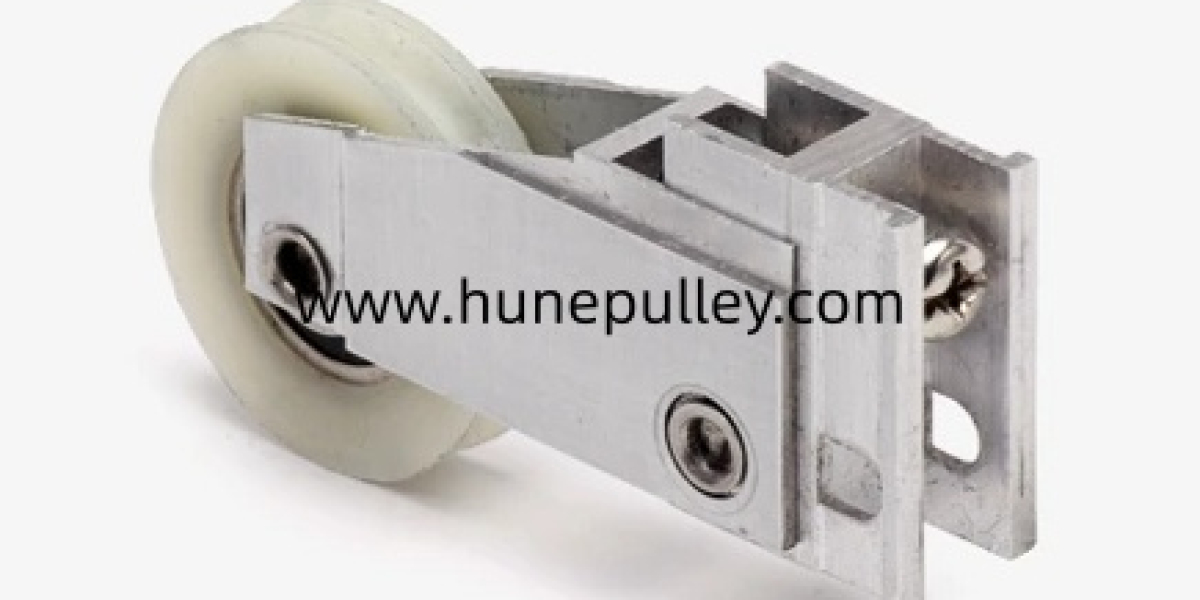

Smooth door movement often depends on details that remain hidden during everyday use. A carefully selected Sliding Door Roller from Hunepulley can become an important component within a sliding system, helping doors move along their intended path while supporting practical installation requirements. For manufacturers, distributors, and hardware businesses, understanding the role of rolling components can make product selection more purposeful.
Sliding doors are used across homes, offices, commercial interiors, furniture systems, storage areas, and other spaces where opening movement needs to remain organized. Unlike hinged doors, sliding structures depend on coordinated movement between tracks, rollers, frames, and related hardware. Each component therefore contributes to the overall behavior of the system.
The roller is closely connected with the movement of the door. Its shape, bearing arrangement, material, and interaction with the track can influence how the door travels. A suitable component should be considered together with the rest of the system rather than as an isolated hardware item.
Different door designs can create different requirements. A lightweight interior panel may follow a different movement pattern from a larger architectural door. Furniture applications can also have their own installation conditions and space limitations. This makes application-based selection an important part of hardware planning.
For B2B buyers, compatibility deserves careful attention. Track dimensions, mounting arrangements, wheel structure, door construction, and installation methods may all affect which roller configuration is appropriate. Discussing these elements before purchasing can help businesses narrow their options and reduce unnecessary adjustments during installation.
Material selection is another aspect worth considering. Different environments may call for different approaches to wheel and housing construction. Indoor furniture applications, commercial doors, and other systems can place different expectations on appearance, movement, and maintenance. Matching the component to the intended environment can support a more coherent product design.
Customization can also be useful when standard components do not fully match a particular project. Manufacturers and buyers may discuss wheel shapes, mounting structures, housing details, or other specifications according to the intended application. Clear technical communication helps turn project requirements into a practical hardware concept.
For distributors, a clear product range can make customer communication easier. When rollers are organized according to application, structure, and installation requirements, buyers can more easily identify which type may suit their projects. This can also help sales teams explain product differences without relying on complicated descriptions.
A well-designed door system is created through cooperation between multiple components. Tracks guide movement, frames provide structure, handles support operation, and rollers connect movement with the physical door. When these elements are planned together, the final system can feel more natural to operate.
For businesses working with sliding hardware, the right component can begin with a simple question: where will the door move, and what kind of movement should it provide? From that point, design details can guide the selection process.
A smoother door concept may begin with one small component. Visit https://www.hunepulley.com/product/ , take a closer look at the available hardware possibilities, and let your next project start rolling.