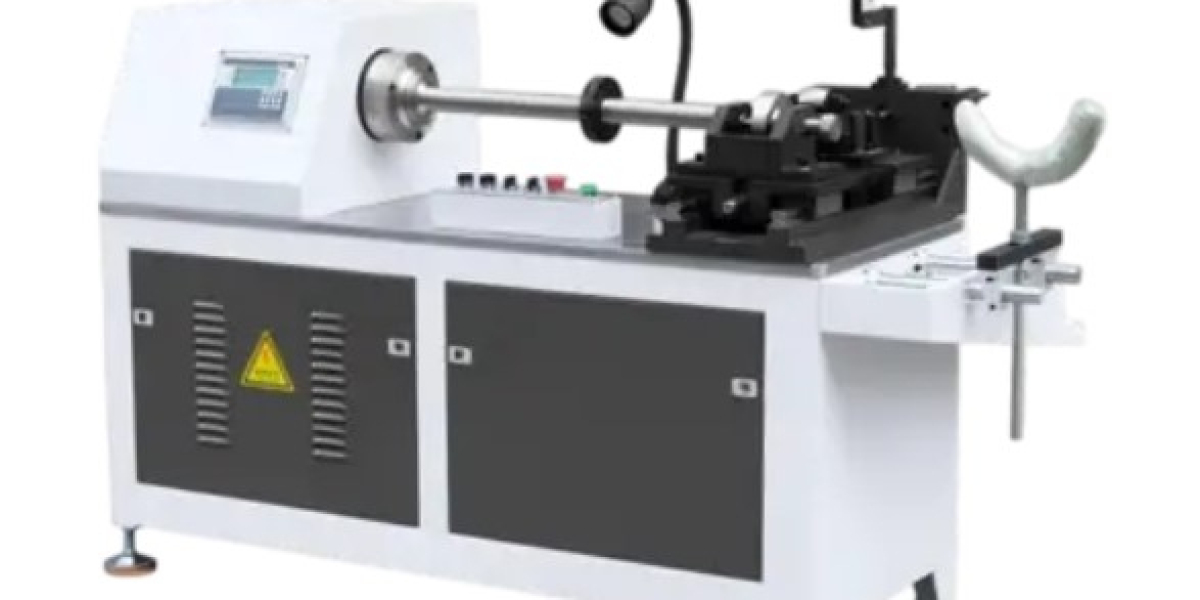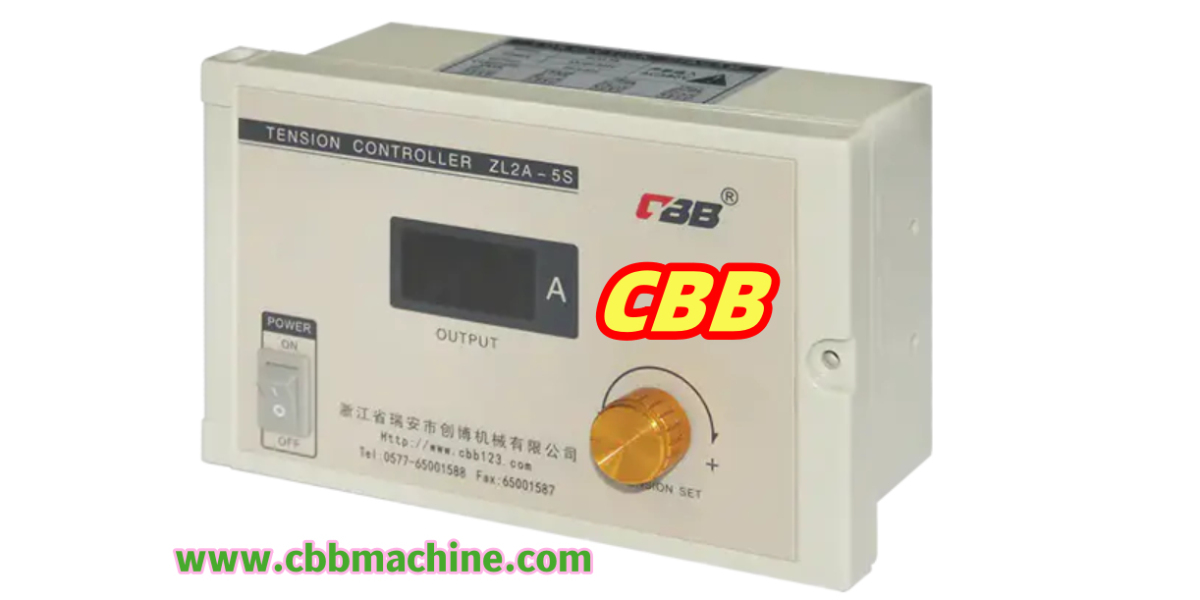

In continuous web processing, material tension is an invisible force that can influence how smoothly an entire production line operates. A Tension Controller from Cbbmachine provides a dedicated approach to managing this relationship between moving material and machine components. By coordinating tension with changing operating conditions, the system can help manufacturers maintain a more orderly web path while supporting processes that depend on stable material movement.
Flexible substrates can behave differently as they pass through unwinding, feeding, printing, coating, laminating, slitting, and winding sections. If the material becomes too loose, wrinkles or tracking problems may develop. If tension becomes excessive, the substrate may experience unwanted deformation or stress. Effective tension management therefore requires more than simply applying a fixed force. It involves responding to the changing conditions of the production process.
A control system can work alongside sensors, brakes, clutches, drives, and other machine components to create a coordinated material-handling environment. Sensors provide information about the web or roll condition, while the control system interprets those changes and adjusts the relevant mechanical elements. This interaction allows the machine to respond to production conditions rather than relying solely on manual intervention.
One important consideration is the transition between different stages of production. As material moves from one section to another, its handling requirements may change. Unwinding requires controlled release from the supply roll, while winding requires carefully managed collection of the finished web. Processes positioned between these stages may introduce additional forces or changes in material behavior. A well-integrated control strategy helps connect these stages into a more coherent workflow.
Machine builders also need to consider the characteristics of the material being processed. Films, paper, foil, laminates, and coated substrates can each respond differently to tension changes. Surface properties, flexibility, thickness, winding characteristics, and processing conditions all affect how a web behaves. Selecting and configuring the control system according to the application can help create a more suitable operating environment for the material.
Another advantage of thoughtful tension management is improved operator visibility. When control functions are integrated clearly into the machine, operators can better understand how material behavior relates to the equipment. Adjustable parameters and responsive control can provide useful flexibility when production requirements change. This can be particularly valuable for machinery designed to handle multiple substrates or different process configurations.
The surrounding mechanical design matters as well. A controller does not work in isolation. Its performance depends on how it communicates with drives, actuators, sensors, and other components throughout the line. Proper integration allows the control system to become part of the machine's overall logic rather than functioning as a separate device. This approach can help equipment designers build a more connected production environment.
Maintenance and serviceability should also be considered from the beginning. Control equipment should be positioned where inspection and adjustment are practical, while electrical connections and associated components should be arranged with the wider machine layout in mind. Clear system organization can make troubleshooting more manageable and help technicians identify potential issues without unnecessary disruption.
For equipment manufacturers, tension control is ultimately about creating harmony between material behavior and mechanical movement. The goal is not simply to add another control component, but to establish a system in which different parts of the machine respond appropriately to one another. When this relationship is carefully engineered, the web can move through the production line with greater consistency and fewer unnecessary disturbances.
As converting technology continues to evolve, intelligent coordination between mechanical and electronic systems becomes increasingly important. A carefully planned tension-management architecture gives machine designers another tool for addressing the practical challenges of continuous web processing. It can support flexible machine layouts while providing operators with a more responsive way to manage material movement.
The next machine improvement may begin with something that is rarely visible during production: controlled tension behind every smooth web movement. For technical details and fresh ideas for your equipment design, make https://www.cbbmachine.com/product/ your next stop and see where a closer look could take your project.