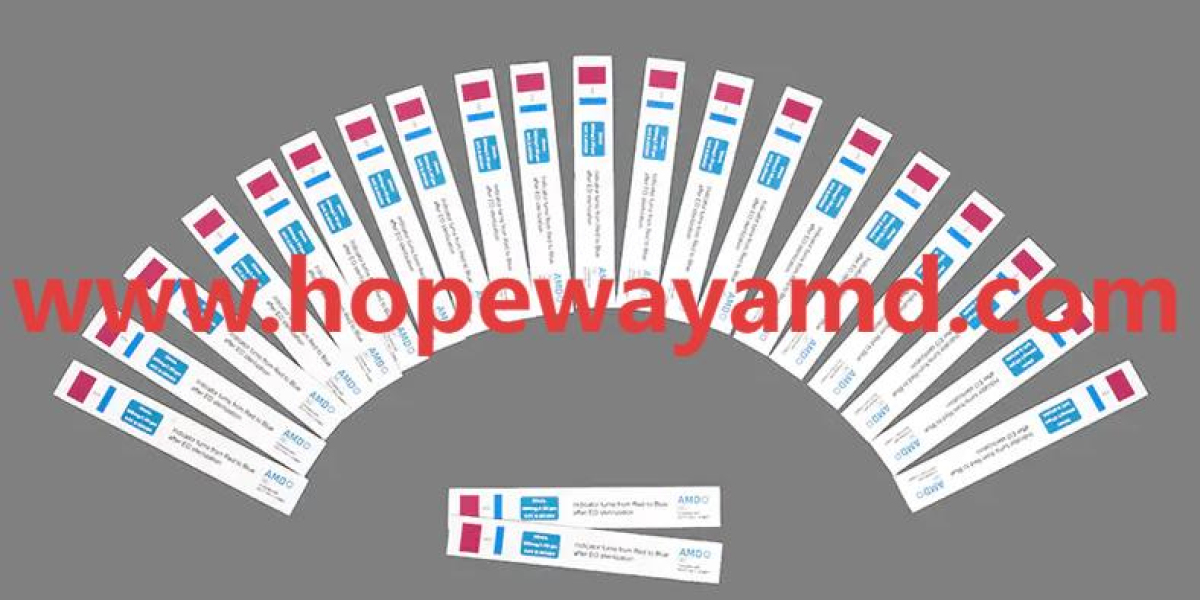

In medical sterilization environments, clear process identification can become an important part of an organized packaging routine. Eo Indicator Strips from Hopeway AMD are intended for applications involving ethylene oxide sterilization, providing a visual indicator that can be incorporated into established processing procedures. Used appropriately, such indicators can help connect packaging preparation with process monitoring while keeping daily handling practices straightforward and structured.
Ethylene oxide sterilization is used for medical items and devices that require a sterilization method suited to their specific materials and construction. Because different sterilization methods have different process characteristics, selecting an indicator designed for the intended method is an important consideration. The indicator should always be used according to its instructions and within the procedures established for the relevant sterilization system.
Process identification is particularly useful when medical packages move through several stages. Items may begin with preparation and packaging before entering a sterilization cycle and later proceed to storage or another handling area. A visible indicator can provide an additional reference point during these stages, helping personnel recognize packages according to their processing status.
An indicator should not be considered a substitute for sterilization controls, equipment monitoring, or professional procedures. Instead, it can function as one component within a broader quality and process management routine. Proper sterilization requires appropriate equipment, validated procedures, suitable packaging, and careful adherence to applicable instructions.
Packaging compatibility also deserves attention. Medical items can be enclosed in different packaging formats depending on their shape, material, and intended application. When an indicator is introduced into the workflow, its placement and use should be considered alongside the packaging system so that it fits naturally into the preparation process.
A well-organized packaging routine can make process identification easier to manage. Rather than adding unnecessary steps, users can incorporate indicators into existing procedures in a way that complements preparation, sterilization, storage, and handling. This encourages a workflow in which each stage has a clear purpose.
The physical format of an indicator can also influence everyday handling. Medical personnel often work within structured environments where packaging materials and related supplies need to be convenient to organize. A practical indicator format can make it easier to incorporate visual process information without changing the overall character of the packaging routine.
Careful selection begins with understanding the sterilization method. For ethylene oxide applications, users should confirm that the chosen indicator is intended for the process and follow the manufacturer's guidance. This helps ensure that the indicator is being used within its intended scope rather than being applied to a process for which it was not designed.
There is also value in thinking beyond the indicator itself. Sterilization management involves a combination of packaging materials, equipment, indicators, documentation, storage practices, and handling procedures. When these elements are considered together, process identification becomes part of a wider system rather than an isolated packaging task.
Small visual details can have a practical place within carefully planned medical workflows. By giving personnel another way to identify process-related changes, an appropriate indicator can support clearer organization while remaining connected to established sterilization procedures.
Sometimes, the easiest way to rethink a familiar workflow is to look more closely at the details already within it. Visit https://www.hopewayamd.com/product/ and take a fresh look at how thoughtful indicator solutions can fit into your approach to sterilization packaging.