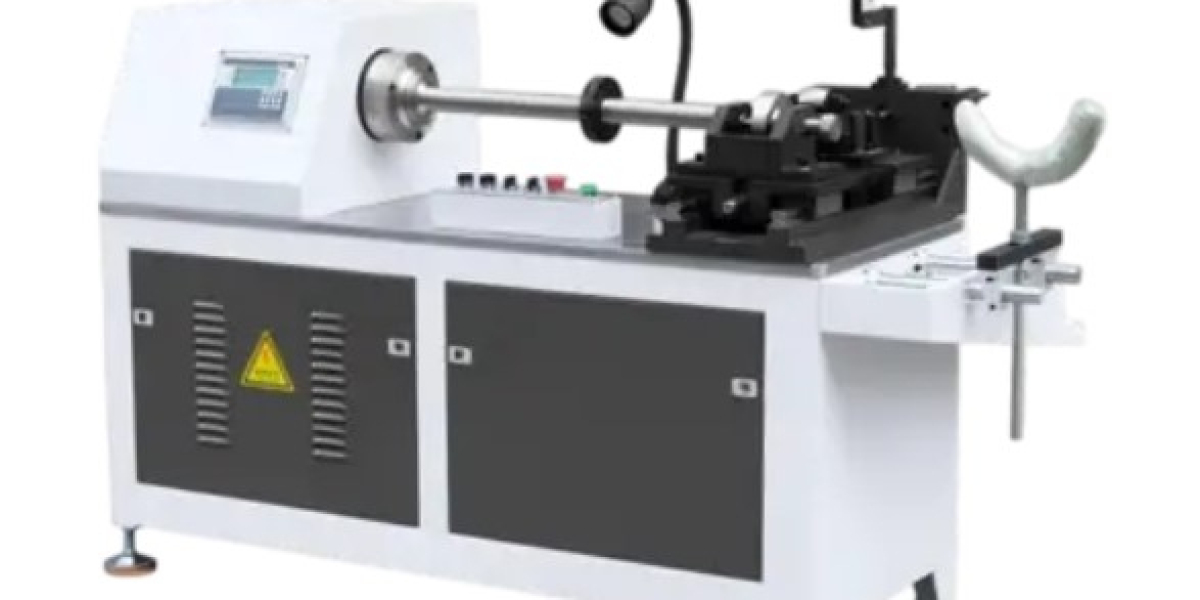

For stainless steel bottle manufacturers, production efficiency depends on more than forming and welding equipment. A Wholesale Automatic Polishing Machine can become an important part of the finishing process, while a properly selected Wholesale Automatic Polishing Machine can help manufacturers handle repeated surface treatment with greater consistency. Stainless steel bottles often require polishing to remove scratches, oxide layers, welding discoloration, and other surface imperfections before they move to later production stages. An automated approach allows factories to organize this work around repeatable processing steps while reducing dependence on completely manual polishing operations. With suitable fixtures, polishing materials, and machine settings, manufacturers can adapt the finishing process to different bottle sizes and shapes.
Building A Smoother Production Workflow
Surface polishing is an important stage in stainless steel bottle manufacturing because the appearance of the finished product can be influenced by marks left during earlier processing. Manual polishing may require workers to repeat similar movements across large quantities of bottles, which can make production management more demanding.
An automatic system creates a more structured workflow. Parts can be positioned on the working table, processed according to established settings, and moved to the next manufacturing stage after polishing. This approach can help factories organize production around predictable operating procedures while making better use of available floor space and labor resources.
Double-Station Processing For Higher Efficiency
One useful feature of the machine is its double-station work table. According to the product information, the equipment supports simultaneous processing of multiple parts and can operate in rotary or single-station polishing modes.
For manufacturers handling recurring orders, this flexibility can make a difference in how production tasks are arranged. While one station is being prepared or loaded, another can participate in the polishing process depending on the selected operating method. The result is a workflow that can be adjusted according to production requirements rather than being limited to a single fixed operating pattern.
Flexible Polishing For Different Bottle Designs
Stainless steel bottles do not always have identical dimensions or surface structures. Different diameters, lengths, curves, and production specifications may require adjustments to fixtures or polishing materials.
The equipment is designed to allow polishing materials and fixtures to be changed relatively easily, supporting different stainless steel bottle sizes and shapes. This flexibility can be useful for factories producing several product specifications instead of focusing on only one bottle model. Operators can configure the working setup according to the part being processed, helping the production line remain adaptable as orders change.
Hubang Technology And Equipment Stability
A polishing machine needs to maintain stable movement while working against a metal surface. Excessive vibration or inconsistent positioning can affect the appearance of the finished product, particularly when processing reflective stainless steel surfaces.
The machine uses an integrated cast-iron main chassis designed to provide rigidity and resistance to vibration. Its industrial computer control system is intended to support stable operation and straightforward handling. These structural and control considerations can help create a more organized production environment, particularly when the machine operates repeatedly over extended production schedules.
Practical Value For Wholesale Production
For factories purchasing equipment in connection with wholesale manufacturing, the focus is often on how the machine fits into the complete production process. A polishing system should not only perform surface treatment but also work smoothly with fixtures, materials, operators, and other equipment around it.
The polishing process can remove scratches, oxide layers, and welding discoloration while helping create the desired surface texture and appearance. Easy fixture changes and polishing-material adjustments can also make routine production changes less complicated.
For manufacturers planning stainless steel bottle production lines, choosing equipment according to product dimensions, production volume, surface requirements, and workflow organization can make the investment more practical. A properly configured polishing machine can support repeatable finishing operations while leaving room for different bottle specifications. To explore related machinery and complete production-line solutions, visit https://www.ykbaowenbeijix.com/ and learn more about available equipment for stainless steel cup and bottle manufacturing.