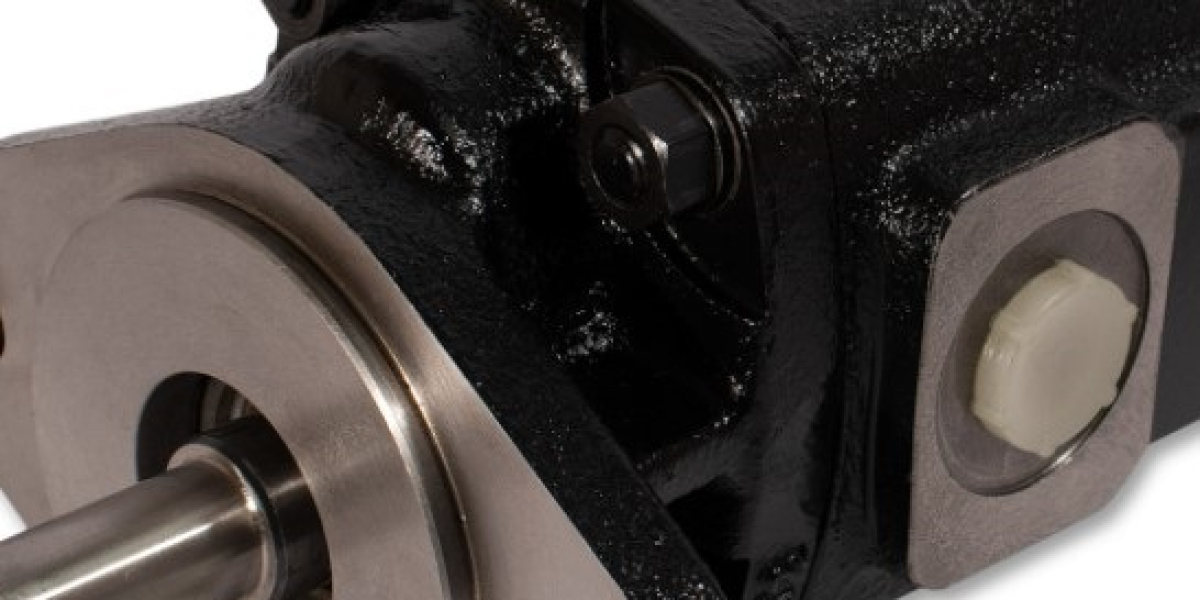

Hydraulic equipment depends on a steady transfer of fluid power to turn engine or motor output into useful mechanical movement. In this process, KP Gear Pump designs can provide a practical option for systems that need consistent hydraulic flow, while a properly matched KP Gear Pump can support lifting, tipping, steering, and other functions in mobile and industrial machinery. Looking at the working environment, control requirements, pump capacity, and installation arrangement can help users develop a more suitable hydraulic setup.
Turning Mechanical Power Into Hydraulic Movement
A gear pump works through the rotation of meshing gears inside a housing. As the gears move, fluid enters the pump and is carried toward the outlet through the spaces between the gear teeth and internal housing surfaces.
This operating principle is relatively straightforward, making the design suitable for many hydraulic systems. The rotating components must maintain appropriate clearances so that fluid can move efficiently while unnecessary internal leakage is limited.
For equipment manufacturers, the relationship between pump speed and fluid delivery is an important consideration. The pump should be matched with the hydraulic circuit rather than selected as an isolated component.
Supporting Mobile Equipment Functions
Mobile machinery often requires hydraulic power for repeated mechanical actions. Construction vehicles, agricultural equipment, transportation machinery, and specialized vehicles may use hydraulic systems to control cylinders, lifting mechanisms, or other actuators.
Several KP-series models are specifically described for 4–10-ton dump trucks, where the pump supplies hydraulic power for tipping cylinders used to raise and lower the truck bed.
This type of application highlights the importance of matching pump characteristics with the load and operating cycle. A vehicle that frequently performs lifting operations may have different requirements from machinery designed for occasional hydraulic movement.
Looking At Integrated Control Designs
Hydraulic control can influence how easily a pump fits into a complete system. Some KP models incorporate a control valve within the pump body, combining pumping and control functions in one assembly. This arrangement can reduce the need for separate control components and simplify certain hydraulic layouts.
For vehicle applications, integrated control can also help manage raising and lowering movements. However, the complete hydraulic circuit still needs to be reviewed, including cylinder capacity, hose connections, pressure requirements, and control methods.
A compact arrangement can be particularly useful where available installation space is limited.
Considering Working Environment
Hydraulic pumps operate under conditions that can vary considerably between machines. Temperature, oil viscosity, operating speed, pressure, contamination levels, and duty cycle can all influence pump behavior.
For example, the KP-35B specifications list an oil temperature range of -20°C to 80°C and a hydraulic oil viscosity range of 10–75 cSt. These figures demonstrate why operating conditions should be checked against the specifications of the selected model.
Clean hydraulic fluid is also important. Particles and moisture can contribute to wear inside the pump, affecting gears, bearings, sealing elements, and other internal components.
Building A Practical Maintenance Routine
Routine maintenance can help hydraulic equipment remain predictable during daily operation. Operators can monitor oil condition, connections, seals, unusual noise, vibration, and signs of leakage.
The hydraulic circuit should also be checked for blocked filters, damaged hoses, loose fittings, or other issues that may place additional stress on the pump. Operating outside the recommended pressure or speed range can accelerate wear and reduce service life.
A practical maintenance plan should reflect how frequently the machine works and the environment in which it operates. Heavy-duty vehicles may require more frequent inspection than equipment used only occasionally.
For manufacturers and equipment users, understanding pump operation is useful when planning a hydraulic system or replacing an existing component. By comparing flow requirements, pressure, speed, installation space, fluid conditions, and control arrangements, users can make a more informed decision. For additional hydraulic pump information and product options, visit https://www.liming-machine.com .